
Picking a random winner sounds simple — until someone challenges the result. In a sweepstakes, the winner selection method is a legal element that must be documented, defensible, and compliant. Using a method that can't be audited, that introduces bias, or that wasn't described in your official rules can invalidate the entire promotion.
This guide covers every aspect of random winner selection: which methods hold up under legal scrutiny, how to document the process, what to do when winners don't respond, and how to handle disputes.
Why the Selection Method Matters Legally
In a sweepstakes, the winner is determined by chance — that's what makes it a sweepstakes rather than a contest. The randomness of your selection process is a legal requirement, not just a fairness principle. If a participant, regulator, or court can demonstrate that your selection was not truly random — or was not conducted as described in your rules — the entire promotion may be invalidated.
Your rules define your obligation
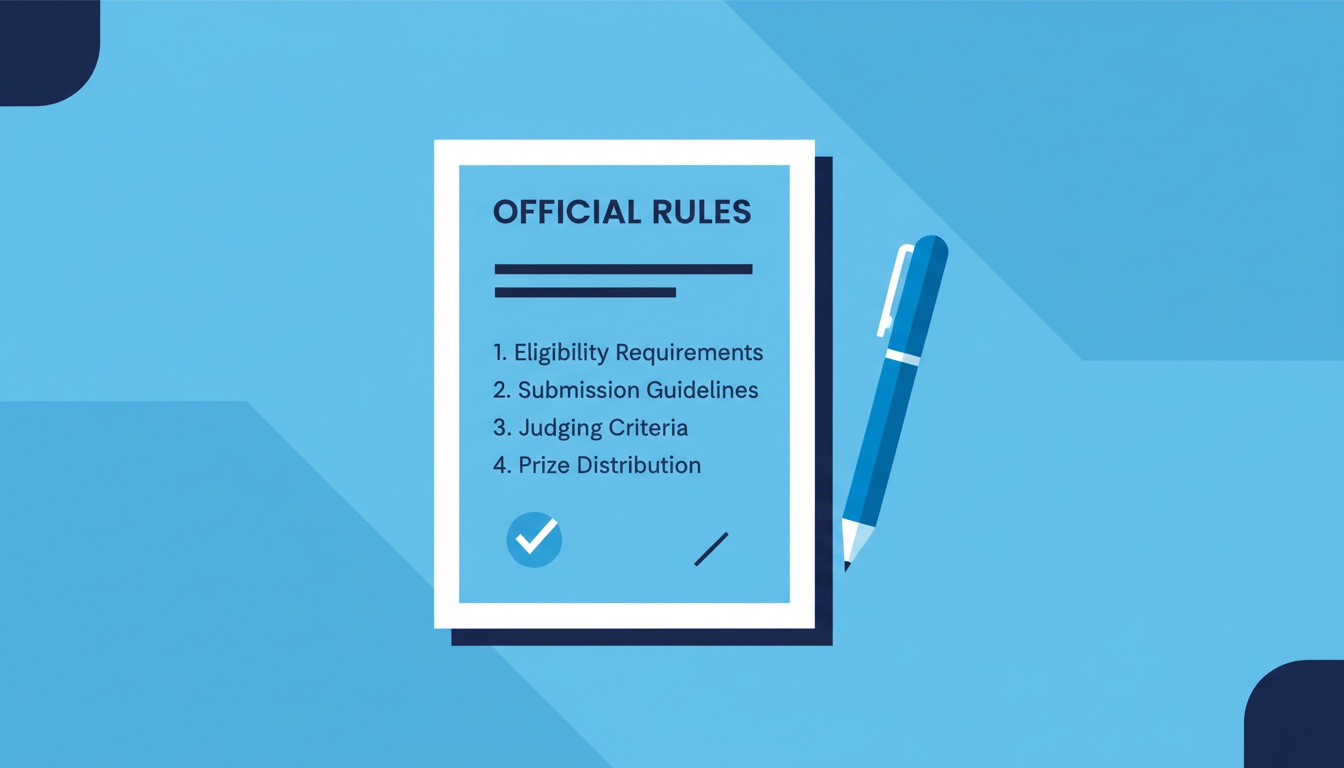
Your official rules must describe the winner selection method. Whatever method you state in the rules is what you must use. If your rules say 'random drawing using a certified random number generator' and you actually pick a name out of a hat, you've breached the rules — and potentially violated state consumer protection laws.
Random Selection Methods Compared
| Method | Randomness Quality | Audit Trail | Legal Defensibility | Best For |
|---|---|---|---|---|
| Certified RNG software | Excellent — cryptographic | Full digital log | Highest | Large sweepstakes, high-value prizes |
| Random.org | Excellent — atmospheric noise | Timestamped results | High | Mid-size promotions, verifiable |
| Platform built-in (Revup, etc.) | Excellent — purpose-built | Full audit trail | Highest | Any size — recommended |
| Spreadsheet RAND() | Good — pseudo-random | Manual documentation | Moderate | Small internal giveaways |
| Physical drawing (bowl/hat) | Variable — depends on process | Witness documentation | Moderate | In-person events, small drawings |
| Social media comment picker | Variable — depends on tool | Screenshot-based | Low-Moderate | Casual social giveaways |
Method 1: Certified Random Number Generator (Recommended)
For any sweepstakes with prizes valued over $1,000, or any promotion open to a national audience, use a certified random number generator. This is the industry standard and the most legally defensible approach.
How It Works
RNG-Based Winner Selection
Export the entry list
Generate a complete, numbered list of all eligible entries. Each entry gets a unique sequential ID. If some entrants have multiple entries, they appear in the list once per entry.
Generate random number(s)
Use the RNG to generate a random number between 1 and the total number of entries. The entry matching that number is the winner. Generate additional numbers for alternate winners.
Document the generation
Record the date, time, RNG tool used, seed value (if applicable), numbers generated, and the resulting winner(s). Screenshot or export the RNG output.
Verify winner eligibility
Confirm the selected entrant meets all eligibility criteria in your rules before notification. If ineligible, move to the next alternate.
Always generate alternates
Generate at least 5-10 alternate winners during the same drawing session. Document them in order. If the primary winner doesn't respond within the deadline stated in your rules, or fails eligibility verification, you can move to the next alternate without conducting a second drawing.
Method 2: Random.org
Random.org generates true random numbers from atmospheric noise — a fundamentally different process than the pseudo-random algorithms used by computers. It's free for basic use and produces timestamped, verifiable results.
- List randomizer: Paste your list of entrants and Random.org shuffles them in a truly random order. The first name on the shuffled list is the winner.
- Integer generator: Generate a random number between 1 and N (your total entries). Match the number to the corresponding entry on your list.
- Third-party draws: Random.org offers a paid "Third-Party Draw Service" that provides an independent certificate verifying the randomness of your drawing. Useful for high-value promotions.
Method 3: Platform-Based Selection
Dedicated sweepstakes platforms like Revup include built-in random winner selection that handles the entire process — from entry collection through random selection, eligibility verification, and winner notification — with a complete audit trail.
Advantages of platform-based selection:
- Integrated audit trail: Every step is logged automatically — no manual documentation required.
- Eligibility verification built in: The platform can automatically check age, residency, entry limits, and disqualification lists before selecting a winner.
- Alternate winner queuing: Alternates are pre-selected and queued. If the primary winner doesn't respond, the system automatically moves to the next alternate.
- Notification automation: Winner emails, response deadlines, and follow-up reminders are handled automatically.
 Revup
Revup
Revup's random winner selection includes certified RNG, automatic eligibility checks, alternate winner queuing, and a complete audit trail for every drawing.
Method 4: Spreadsheet-Based (Small Giveaways)
For small giveaways with prizes under $500, a spreadsheet-based approach can work — but documentation is your responsibility.
- Export all entries to a spreadsheet. Assign each entry a row number.
- In a separate cell, use
=RANDBETWEEN(1, [total entries])to generate a random number. - The entry in the row matching that number is the winner.
- Screenshot immediately. Spreadsheet random functions recalculate on every edit. Your result will change if you don't capture it.
- Document: date, time, tool, formula used, screenshot of result, total entries.
Spreadsheet RAND() is pseudo-random
Excel and Google Sheets use pseudo-random number generators — algorithms that produce numbers that appear random but are deterministic. For small giveaways this is acceptable, but for large promotions or high-value prizes, use a true RNG (Random.org or certified software) to eliminate any potential challenge.
Documentation Requirements
Regardless of the method you choose, you must document the drawing process thoroughly. This documentation protects you if the drawing is challenged by a participant, regulator, or in litigation.
Drawing Documentation Checklist
- Date and exact time of drawing
- Location (physical or digital) where drawing was conducted
- Name and title of person who conducted the drawing
- Random selection method used (specific tool, version, settings)
- Total number of eligible entries in the pool
- Random number(s) generated and corresponding winner(s)
- Alternate winners selected (in order)
- Screenshot or exported log of the RNG output
- Witness present (recommended for prizes over $5,000)
- Drawing records archived for minimum 7 years
After the Drawing: Winner Notification and Fulfillment
Post-Drawing Process
Notify the winner
Use the method stated in your rules (email, phone, mail). Include: what they won, response deadline, and next steps. Never publicly announce a winner before they've confirmed.
Wait for response
Give the winner the exact deadline stated in your rules (typically 5-14 days). Send a reminder if no response after half the deadline period.
If no response — move to alternate
If the winner doesn't respond by the deadline, they forfeit the prize. Notify the first alternate winner using the same process. Document the forfeit.
Verify and collect documentation
Affidavit of eligibility, liability release, publicity release (where legal). For prizes $2,000+: collect IRS Form W-9.
Fulfill the prize
Deliver within the timeline stated in your rules. Get delivery confirmation. File 1099-MISC for prizes over $2,000 by January 31.
Handling Disputes
If a participant challenges the fairness of your drawing, your documentation is your defense. Common dispute scenarios and responses:
- "The drawing was rigged." Provide the RNG certificate, timestamped log, and drawing documentation. A well-documented process is almost always sufficient to resolve this.
- "I should have won — I had more entries." More entries improve odds but don't guarantee winning. Explain the random nature of the drawing and refer to the odds disclosure in the rules.
- "The winner is an employee/insider." Your rules should exclude employees, families, and affiliates. If the challenge has merit, disqualify the winner and move to the alternate.
- "I never received winner notification." Provide documentation of the notification attempt (email delivery receipt, mail tracking). Your rules should specify that it's the winner's responsibility to maintain accurate contact information.
Frequently Asked Questions
Can I pick a winner from Instagram comments manually?
For a casual giveaway with a small prize, some brands do this — but it's not recommended. Manual selection from a comment feed is difficult to prove was random, and there's no audit trail. Use a comment-picking tool that provides documented random selection, or export comments to a spreadsheet and use a proper RNG.
What if the winner is from an excluded state?
If your rules exclude certain states (e.g., "void in NY and FL"), verify the winner's residency before awarding the prize. If they're from an excluded state, disqualify them and move to the next alternate. This is why eligibility verification happens before prize fulfillment.
Do I need a witness for the drawing?
Not legally required for most sweepstakes, but strongly recommended for prizes over $5,000. An independent witness (not an employee of the sponsor or promotion agency) adds a layer of credibility. For very high-value promotions, consider using an independent judging organization.
How many alternate winners should I select?
At minimum, 3-5 alternates for any promotion. For large promotions or high-value prizes, select 10+. It's common for winners to not respond within the deadline, fail eligibility, or decline the prize (especially when tax obligations are involved).
For the complete legal framework behind sweepstakes winner selection, see how to run a sweepstakes legally or read the full How to Run a Sweepstakes guide.