Running a sweepstakes without official rules isn't just legally risky — it's often outright illegal. Official rules are the legally binding document that defines your promotion: who can enter, how winners are selected, what they win, and what obligations both the brand and entrants accept. Regulators, platform compliance teams, and state attorneys general all require them.
This guide provides a complete sweepstakes official rules template with detailed explanations for each required clause. Whether you're running your first giveaway or standardizing your legal template library, you'll understand not just what each clause says, but why it's required and what legal exposure you face if it's missing.
Download: Official Rules Template (PDF)
Get the complete sweepstakes official rules template as a ready-to-use PDF with all required clauses, standard legal language, and a clause-by-clause annotation guide.
No spam. Unsubscribe anytime.
What Are Sweepstakes Official Rules?
Official rules are the legally binding terms and conditions that govern your sweepstakes. They establish the contract between the sponsor (your brand), the promotion platform (if applicable), and the entrants. They're required by:
- Federal law and FTC guidelines: The FTC requires material disclosures about how winners are selected, odds of winning, and prize details — all of which live in official rules.
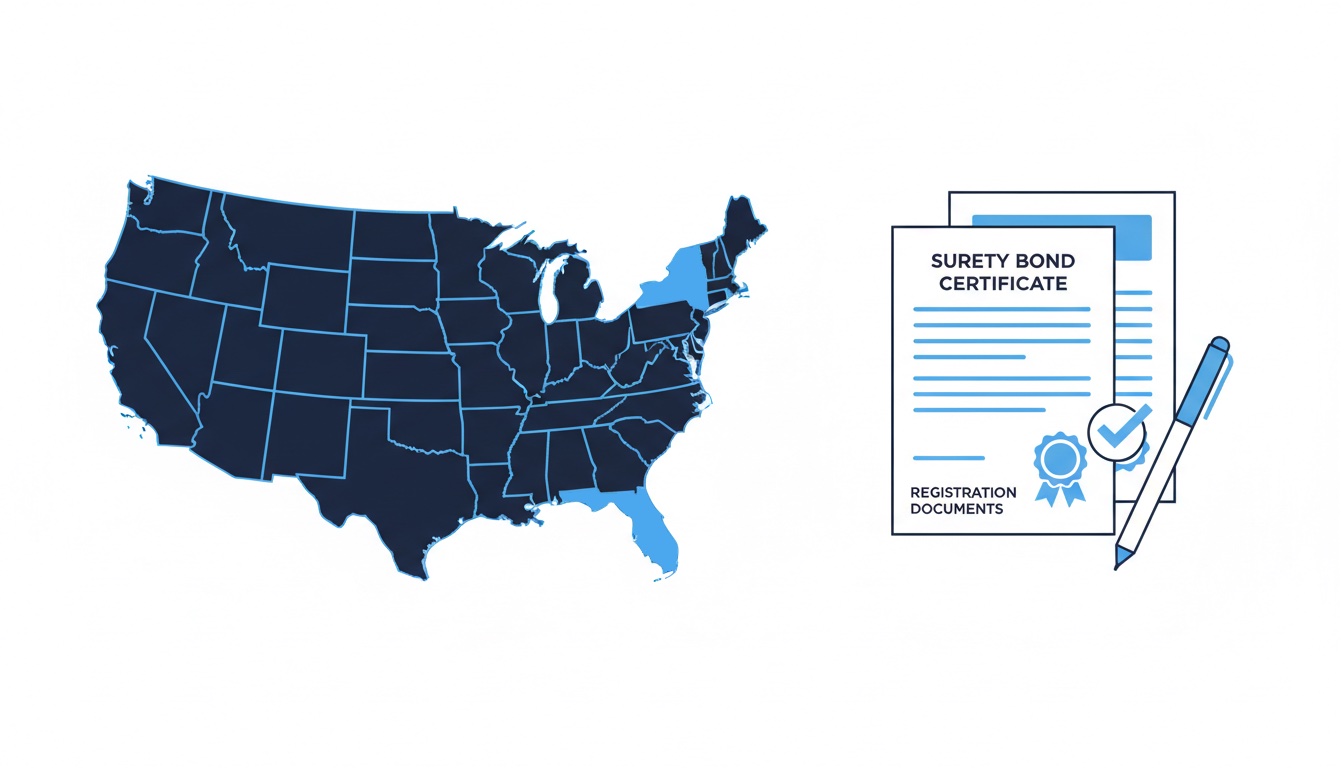
- State registration requirements: New York and Florida require official rules to be filed with the state before the promotion opens when prize values exceed their thresholds. Rhode Island filing applies only to qualifying retail/in-store promotions over its threshold.
- Social media platform policies: Instagram, Facebook, TikTok, and X all require promotions hosted on their platforms to reference official rules. Several require them to be linked directly from the promotional post.
- Legal enforceability: Without official rules, your promotion's terms aren't enforceable. If a winner disputes their prize, or if a third party claims the promotion was deceptive, you have no documented foundation to stand on.
Rules must be published before the promotion opens
Official rules cannot be published after entrants have already entered. They must be accessible — via a permanent URL or physical posting — from the moment the first entry is accepted. Retroactive rules create legal exposure and may invalidate the entire promotion.
The Required Clauses: What Every Official Rules Document Must Include
Official Rules Minimum Requirements Checklist
- Sponsor name and complete physical address
- Promotion name and full description
- Eligibility requirements (age, geography, employee exclusions)
- Promotion period with start and end dates and times (including time zone)
- How to enter — all entry methods including the free alternative method of entry (AMOE)
- Entry limits per person per entry period
- No purchase necessary statement and confirmation that purchase does not improve odds
- Prize description with approximate retail value (ARV) for each prize
- Total approximate retail value of all prizes combined
- Odds of winning statement
- Winner selection method and date
- Winner notification process and timeline
- Winner verification and eligibility requirements
- Prize acceptance conditions and deadline
- Tax responsibility statement (prizes over $2,000 generate 1099s)
- General conditions and release of liability
- Void where prohibited language
- Governing law and jurisdiction
- Privacy policy reference and data usage disclosure
- Dispute resolution process
Complete Sweepstakes Official Rules Template
Below is a clause-by-clause breakdown of a complete official rules document. Each section includes the standard language and an explanation of why that clause exists and what to customize.
Clause 1: Sponsor Identification
Template language:
Sponsor: [Company Legal Name], [Full Street Address], [City, State, ZIP]. The Sweepstakes is not sponsored, endorsed, administered by, or associated with any social media platform.
Why it's required: Entrants must know who is legally responsible for the promotion. The sponsor is the entity that owes obligations to winners — prize fulfillment, tax reporting, and compliance. The social media platform disclaimer is required by Instagram, Facebook, and most other platforms to clarify their non-involvement.
What to customize: Your company's full legal name (not DBA), complete physical address (P.O. boxes are acceptable for mail-in entries but your registered business address should appear as sponsor), and specify the relevant platform(s).
Clause 2: Eligibility Requirements
Template language:
Open to legal residents of the 50 United States (including D.C.) who are at least 18 years of age (or the age of majority in their state of residence, whichever is older) at the time of entry. Employees, officers, and directors of Sponsor, its parent companies, subsidiaries, affiliates, advertising and promotion agencies, and members of their immediate families (spouse, parents, siblings, and children) or households are not eligible.
Why it's required: Geographic restrictions determine which state laws apply and whether state registration is required. Age minimums protect the sponsor from liability for minors. Employee exclusions prevent the appearance of rigged results.
What to customize: Geographic scope (U.S. only, specific states, international — each adds complexity), minimum age (18 is standard; some states require 19 or 21 for alcohol-related prizes — see our sweepstakes prize ideas guide for choosing prizes that balance appeal with compliance), and the scope of excluded employees (agencies, judges, and their households are typically excluded).
International promotions require specialist counsel
Extending eligibility beyond the U.S. triggers a complex matrix of foreign laws — many countries restrict or prohibit sweepstakes, require local registration, or impose specific prize limitations. Canada requires a skill-testing question for sweepstakes winners. The EU has GDPR implications. Unless you have legal coverage for each jurisdiction, restrict eligibility to the U.S.
Clause 3: Promotion Period
Template language:
The [Promotion Name] Sweepstakes ("Sweepstakes") begins at 12:00:00 AM Eastern Time ("ET") on [Start Date] and ends at 11:59:59 PM ET on [End Date] ("Promotion Period"). Sponsor's computer is the official timekeeping device for this Sweepstakes.
Why it's required: Clear start and end times define when entries are valid. Stating the time zone prevents ambiguity. The "official timekeeping device" clause protects you if an entrant claims their entry was submitted before the deadline based on their local time or device clock.
What to customize: Start date, end date, and time zone. Eastern Time is standard for U.S. promotions. If your promotion runs across multiple phases (weekly drawings, etc.), define each phase with its own dates.
Clause 4: How to Enter
Template language:
Method 1 — Online Entry: During the Promotion Period, visit [URL] and complete the entry form including your name, email address, and [any other required fields]. Limit one (1) online entry per person per day.
Method 2 — Free Mail-In Entry: Handprint your name, complete address, date of birth, email address, and telephone number on a 3" x 5" card and mail it in a hand-addressed, first-class-stamped envelope to: [Promotion Name] Sweepstakes, c/o [Company Name], P.O. Box [Number], [City, State ZIP]. Mail-in entries must be postmarked by [Date] and received by [Date + 7 days]. Limit one (1) mail-in entry per outer envelope mailing. A purchase will not improve your chances of winning.
Why it's required: Federal and state law require that a free entry method exist and be described in full. Entry limits prevent abuse and protect the integrity of the drawing. The AMOE (mail-in) is the classic free entry mechanism accepted by all state regulators.
What to customize: Entry URL, required fields, entry limits per person per period, AMOE P.O. box address, and postmark/receipt deadlines. If you're running an online-only promotion, you may add an online free entry form instead of or in addition to mail-in.
 Revup
Revup
Revup generates compliant official rules automatically based on your promotion parameters — including correct AMOE language, entry limits, and state-required disclosures.
Clause 5: Prize Description and Odds
Template language:
Grand Prize (1): [Prize description]. Approximate Retail Value ("ARV"): $[Amount]. Total ARV of all prizes: $[Amount]. Prizes are non-transferable, non-assignable, and have no cash value. Sponsor reserves the right to substitute a prize of equal or greater value. Odds of winning depend on the number of eligible entries received during the Promotion Period.
Why it's required: The FTC requires material disclosure of prize value. Approximate Retail Value is required for tax purposes — the IRS uses ARV to determine 1099 reporting obligations. The odds statement is legally required (though exact odds may not be determinable in advance for random-draw sweepstakes). The non-transferability clause prevents prize resale disputes.
What to customize: Complete prize description (specific model numbers, service tiers, experience details), ARV for each prize tier, total ARV, and any prize restrictions (geographic, timing, transferability).
Clause 6: Winner Selection and Notification
Template language:
On or about [Drawing Date], a random drawing will be conducted from among all eligible entries received during the Promotion Period by [Administrator Name or "Sponsor"], whose decisions are final. The potential winner will be notified by email and/or phone within [X] days of the drawing. If the potential winner cannot be reached within [X] days of the first attempt, or fails to respond within [X] days, or is found to be ineligible, an alternate winner may be selected. Return of any prize/prize notification as undeliverable may result in disqualification.
Why it's required: The winner selection process must be documented and the method must be described. "Random drawing" establishes that this is a sweepstakes (not a contest). The notification timeline and alternate winner provisions protect you if the initial winner doesn't respond or is disqualified. For the full operational process beyond the rules language, see our guide to winner fulfillment best practices.
What to customize: Drawing date, notification timeframe (typically 5–7 business days from drawing), response deadline (typically 7–14 days), and whether notification is by email, phone, or mail.
Clause 7: Winner Verification
Template language:
The potential winner may be required to complete and return an Affidavit of Eligibility and Liability/Publicity Release (where lawful) within [X] days of notification. Failure to comply within the specified time period may result in disqualification and selection of an alternate winner. Acceptance of a prize constitutes permission for Sponsor to use the winner's name, likeness, and entry for advertising and promotional purposes without additional compensation, except where prohibited by law.
Why it's required: The affidavit confirms winner eligibility (age, residency, not an employee). The publicity release grants you the right to use the winner's name in your marketing. Without this release, using a winner's name or image may violate their right of publicity. Note that some states (primarily Vermont and portions of Colorado) prohibit mandatory publicity releases.
Clause 8: General Conditions and Release
Template language:
By participating in this Sweepstakes, entrants agree to be bound by these Official Rules and the decisions of the Sponsor, which are final and binding in all respects. Sponsor reserves the right, in its sole discretion, to disqualify any individual who tampers with the entry process, violates the Official Rules, or acts in a disruptive manner. Sponsor is not responsible for lost, late, misdirected, damaged, incomplete, or illegible entries. Sponsor is not responsible for any injury, damage, or loss of any kind caused by participation in this Sweepstakes or acceptance of a prize. Entrant releases and holds harmless Sponsor and its respective parent companies, subsidiaries, affiliates, officers, directors, agents, representatives, and employees from any and all claims, damages, and liabilities arising from participation in the Sweepstakes.
Why it's required: The liability release limits your legal exposure to claims arising from the promotion. The "decisions are final" language protects you from disputes over drawing results. The fraud/tampering clause gives you grounds to disqualify abusive entries.
Clause 9: Void Where Prohibited
Template language:
Void where prohibited or restricted by law. All federal, state, and local laws and regulations apply.
Why it's required: Certain states and jurisdictions restrict or prohibit sweepstakes, specific prize types (alcohol, firearms, tobacco), or certain entry mechanisms. The VWP clause protects you from liability in those jurisdictions by explicitly excluding them. See our guide on what "void where prohibited" means and which states it applies to.
Clause 10: Privacy and Data Use
Template language:
Any personal information collected in connection with this Sweepstakes will be used by Sponsor as described in Sponsor's Privacy Policy, available at [URL]. By entering, entrant consents to Sponsor's collection and use of their personal information as described herein.
Why it's required: COPPA, CCPA, GDPR (for international participants), and other privacy laws require disclosure of how personal data is collected and used. Your privacy policy URL must be current and accurate. If you're collecting data specifically for marketing use, that must be disclosed and (for California residents) compliant with CCPA opt-out requirements.
Clause 11: Governing Law and Disputes
Template language:
This Sweepstakes is governed by the laws of the State of [State] without regard to conflicts of law principles. Any disputes arising from this Sweepstakes shall be resolved by binding arbitration under the rules of the American Arbitration Association. By entering, entrant agrees to waive any right to participate in a class action lawsuit or class action arbitration.
Why it's required: A choice-of-law provision determines which state's law governs disputes — typically the state where the sponsor is headquartered. Arbitration clauses and class action waivers reduce litigation exposure but are subject to some state restrictions on enforceability.
State-Specific Registration Requirements
If your total prize value exceeds certain thresholds, three states require you to register your sweepstakes and post a bond before the promotion opens.
New York
Registration requiredFlorida
Registration requiredRhode Island
Registration requiredFor detailed requirements on each state's registration process, bonding amounts, and filing deadlines, see our complete guide to sweepstakes state registration and bonding requirements or explore the interactive sweepstakes law map for a state-by-state breakdown.
Tax Reporting Requirements
Prizes valued at $2,000 or more require the sponsor to issue a 1099-MISC to the winner and report the prize to the IRS. For prizes valued at $5,000 or more, the sponsor must withhold 24% federal backup withholding unless the winner provides a completed W-9. Your official rules should reference that winners are responsible for all taxes on their prizes.
See our full guide to sweepstakes tax reporting requirements for complete IRS thresholds, form requirements, and sponsor obligations.
Common Official Rules Mistakes
Mistakes That Create Legal Exposure
- No free alternative method of entry described in the rules
- Missing or incorrect sponsor name and address
- No ARV listed for prizes (creates tax reporting gaps)
- Odds of winning missing or stated as 'varies' without explanation
- No winner notification timeline — leaves you exposed if a winner claims they weren't notified
- No alternate winner provision — what happens if the first winner doesn't respond?
- Publicity release omitted — you can't use the winner's image without it
- Rules published after the promotion has already started accepting entries
- State registration omitted despite prize values exceeding NY/FL/RI thresholds
- Privacy policy URL missing or pointing to a 404 page
Download: Official Rules Template (PDF)
Get the complete sweepstakes official rules template — all 11 clauses pre-drafted with standard legal language, customization notes, and state registration guidance.
No spam. Unsubscribe anytime.
Let Revup Handle It Automatically
Writing official rules from scratch — and keeping them accurate as your promotion parameters change — is time-consuming and error-prone. Revup generates compliant official rules automatically based on your promotion configuration. As you set your prize value, entry methods, eligibility requirements, and promotion dates, Revup produces a complete official rules document that accounts for state registration requirements, required disclosures, and standard legal language.
For the full legal compliance picture, read our overview of the Complete Guide to Sweepstakes, Contest & Instant Win Laws, or see FTC sweepstakes regulations for the federal requirements your official rules must satisfy.