Email remains one of the highest-ROI owned marketing channels. Every new subscriber you add to your list has downstream value through repeat reach, segmentation, and follow-up conversion. The question isn't whether to build your email list — it's how to build it efficiently.
Sweepstakes are the fastest, cheapest method for large-scale email list growth. Giveaway landing pages convert at 34% on average — roughly 5x higher than standard landing pages. At a typical all-in cost of $0.50-$3.00 per email acquired, sweepstakes dramatically undercut the $27-$70+ cost per lead from paid advertising channels.
This guide covers the complete strategy: how to structure promotions for email capture, integration with your email platform, opt-in compliance, subscriber quality management, and the post-campaign nurture sequences that turn sweepstakes entrants into engaged subscribers and paying customers.
Why Sweepstakes Beat Other List Building Methods
| Method | Avg. Conversion Rate | Cost Per Email | Volume Per Campaign | Data Richness |
|---|---|---|---|---|
| Sweepstakes / giveaway | 25-40% | $0.50-$3.00 | 1,000-50,000+ | Email + custom fields |
| Newsletter signup popup | 2-5% | Free (organic) or $5-$15 (paid) | 10-100/day | Email only |
| Lead magnet (ebook, guide) | 10-20% | $3-$10 | 100-1,000 | Email + job title |
| Webinar registration | 15-25% | $10-$30 | 50-500 | Email + company info |
| Content upgrade | 5-15% | Free (organic) | 10-50/post | Email only |
| Paid ads → email capture | 5-15% | $5-$25 | Scales with budget | Email + ad targeting data |
The gap is driven by the value exchange clarity. Newsletter signup popups ask for an email in exchange for a vague promise of "updates." Sweepstakes ask for an email in exchange for a specific, tangible chance to win something valuable. That clarity is what pushes conversion rates from single digits to 34%.
Structuring Your Promotion for Email Capture
Not every sweepstakes is equally effective at building email lists. The differences come down to form design, prize selection, and how prominently email capture features in the campaign.
Email-Optimized Sweepstakes Setup
Make email the primary entry field
Email should be the first field on your entry form and should be required. This seems obvious, but some promotions bury email below social actions or make it optional. Email capture is the goal — design the form around it.
Add an email consent checkbox
A separate, unchecked consent checkbox that specifically authorizes email marketing communications. This isn't just a legal requirement — it establishes a clear consent relationship that improves deliverability and engagement.
Keep additional fields to 1-3
Every field above email reduces conversion by approximately 5-10%. Name (for personalization) and one segmentation field (zip code, product interest, or birthday) are worth the trade-off. Beyond that, you're losing more entries than you're gaining in data.
Choose a brand-relevant prize
Your product or services, not generic cash or electronics. Brand-relevant prizes attract subscribers who are interested in what you sell — which means higher downstream engagement and conversion rates.
Add post-entry social actions
After the initial entry, offer bonus entries for social sharing, following, and referrals. These actions don't gate the email capture but extend the campaign's reach to bring in more email subscribers.
The consent checkbox determines your list quality
An email captured without marketing consent is legally usable only for campaign-related communication (like winner notification). Only emails with explicit marketing consent can be added to your ongoing email program. Make the consent checkbox prominent and clearly worded — 'Yes, I'd like to receive marketing emails and promotions from [Brand]' — not hidden in a wall of fine print.
Email Platform Integration
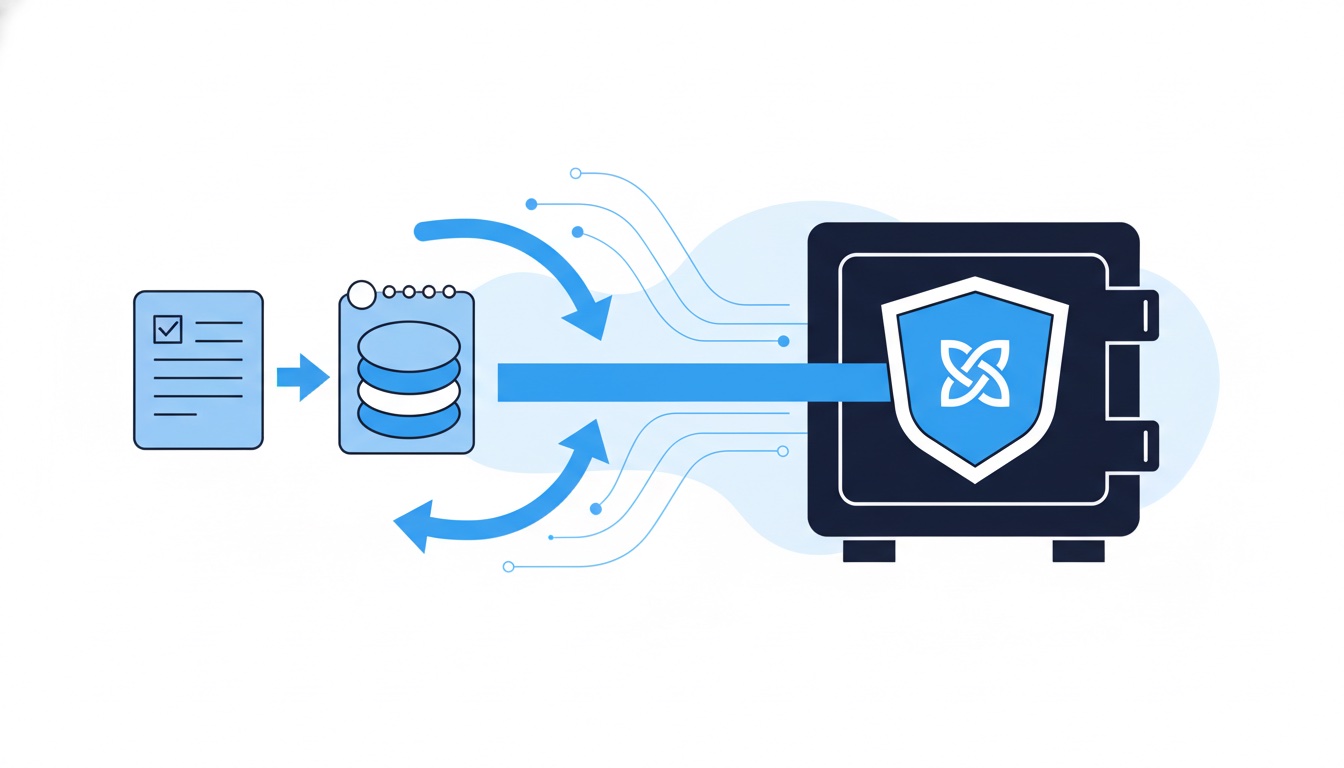
Captured emails are only valuable if they flow into your email marketing platform automatically. Manual CSV exports and imports create delays, introduce errors, and often result in lost contacts.
| Integration | What It Does | Best For |
|---|---|---|
| Klaviyo | Auto-sync contacts with tags and custom properties | Ecommerce brands using Shopify |
| Mailchimp | Add to lists with merge fields and tags | Small-medium businesses, general marketing |
| HubSpot | Create contacts with lifecycle stage and source | B2B marketing, CRM-first workflows |
| ActiveCampaign | Add to lists with tags and automations | Automation-heavy email programs |
| Constant Contact | Add to contact lists with custom fields | Small businesses, event marketing |
| Omnisend | Sync to segments with ecommerce data | Ecommerce brands using Omnisend |
| Attentive | Sync SMS consent and phone numbers | SMS marketing alongside email |
| Postscript | Sync SMS subscribers for Shopify stores | Shopify stores using SMS |
| Webhook | Send entry data to any endpoint | Custom integrations, data warehouses |
| Zapier | Connect to 5,000+ apps | Any platform not directly supported |
Revup integrates natively with all ten platforms listed above. When someone enters your promotion and checks the email consent box, their contact information syncs to your email platform in real time — no exports, no imports, no manual steps. This means your welcome email can fire within minutes of entry, which dramatically improves engagement compared to batched imports days later.
 Revup
Revup
With 10 native integrations — Klaviyo, Mailchimp, HubSpot, ActiveCampaign, Constant Contact, Omnisend, Attentive, Postscript, Webhook, and Zapier — Revup syncs your promotion contacts to your email platform automatically, in real time.
Opt-In Strategies That Maximize Consent Rates
Getting the email address is step one. Getting marketing consent — the checkbox that authorizes ongoing email communication — is step two. Without consent, you have an email address you can't legally market to.
| Strategy | Consent Rate Impact | How It Works |
|---|---|---|
| Clear value proposition on checkbox | +15-25% consent | 'Get exclusive deals, tips, and early access to promotions' |
| Separate checkbox from terms acceptance | +10-20% consent | Don't bundle marketing consent with rules acceptance |
| Incentivize consent with bonus entries | +20-30% consent | 'Check this box for 5 bonus entries' (check with attorney) |
| Position checkbox prominently | +5-15% consent | Near the submit button, not buried at the bottom |
| Explain what they'll receive | +10-20% consent | 'We send 2-3 emails per month about promotions and tips' |
Never pre-check consent boxes
Pre-checked consent boxes are prohibited under GDPR and questionable under many US state privacy laws. Beyond legality, pre-checked consent produces lower-quality subscribers — people who didn't actively choose to hear from you will unsubscribe and mark you as spam at higher rates. An unchecked box that 70% of people voluntarily check gives you a more engaged list than a pre-checked box that 95% of people don't bother to uncheck.
Managing Subscriber Quality
Not all sweepstakes emails are created equal. The quality of your new subscribers depends on prize relevance, traffic sources, and how well you segment and nurture.
| Quality Factor | Higher Quality Indicators | Lower Quality Indicators |
|---|---|---|
| Prize type | Your products, brand experiences | Cash, generic electronics |
| Traffic source | Your email list, website, targeted ads | Sweepstakes directories, deal sites |
| Entry form | Relevant additional fields collected | Email only, no consent |
| Post-entry behavior | Completed social actions, shared with friends | Single entry, no engagement |
| 30-day engagement | 20%+ open rate, clicks | Under 10% open rate, no clicks |
| Consent quality | Explicit opt-in checked | No consent or pre-checked box |
The most important quality practice is segmentation by source. Create a dedicated email segment for sweepstakes subscribers and track their engagement separately from your main list. This gives you accurate data on sweepstakes subscriber quality without contaminating your overall list metrics. The value of a subscriber only materializes if you nurture them properly and measure the cohort over time.
The Post-Campaign Nurture Sequence
The biggest mistake in sweepstakes email list building is collecting thousands of emails and then sending nothing for weeks. The first 14 days after entry are your highest-engagement window. Email engagement declines rapidly over time — if you wait two weeks to send your first message, you've already lost most of your window.
Post-Sweepstakes Email Nurture Sequence
Welcome email (immediately or within 24 hours)
Thank them for entering. Confirm what they'll receive from you. Set expectations for email frequency. Include a low-friction CTA — browse products, read a popular article, follow on social. Welcome emails typically outperform standard promotional sends because they arrive during the peak-intent window.
Value email (Day 3)
Deliver genuinely useful content related to your product or industry. No hard sell. This establishes that your emails are worth opening — which is critical for long-term engagement and deliverability.
Social proof email (Day 7)
Share customer stories, testimonials, or case studies. The goal is to move the subscriber from 'I entered a contest' to 'This is a brand I trust.' If you ran a UGC contest, feature the winning submission.
First offer email (Day 10-14)
Present your first promotional offer — a discount code, free trial, consultation offer, or exclusive access. The subscriber has received 3 valuable emails first, so the promotional ask is earned, not cold.
Ongoing integration (Day 14+)
Merge sweepstakes subscribers into your regular email program. They should receive the same campaigns as your general list, segmented appropriately based on the data you collected during entry.
Revup
Revup's Flows feature lets you trigger automated email sequences based on promotion events — so your welcome email fires the moment someone enters, not days later when you get around to exporting a CSV.
Promotion Types for Email Growth
Different promotion types have different email capture profiles. Choose based on your volume goals and data needs.
| Promotion Type | Email Capture Volume | Data Richness | Subscriber Quality | Best For |
|---|---|---|---|---|
| Standard sweepstakes | Highest | Basic (email + 1-2 fields) | Medium | Maximum list growth |
| Quiz with prize incentive | High | Rich (preferences + answers) | High | Segmented list building |
| Referral campaign | Very high (viral growth) | Basic | Medium-High | Rapid list expansion |
| Instant win | High (repeat engagement) | Basic | Medium | Engagement + list growth |
| Contest (judged) | Lower | Rich (submission data) | Very high | Quality over quantity |
| Survey with incentive | Medium | Very rich (opinions + feedback) | High | Research + list building |
| Purchase sweepstakes | Medium | Rich (purchase + contact) | Very high | Customer list building |
For pure email acquisition volume, referral campaigns are hard to beat. Each participant becomes a promoter, inviting friends who also provide their email. The viral coefficient means your list grows exponentially rather than linearly. For a detailed referral strategy, see our referral sweepstakes guide.
For quality, quiz and survey promotions are the best choice. They capture email plus rich zero-party data (preferences, interests, opinions) that enables meaningful personalization from the first email. For more on this approach, see our first-party data collection guide.
Avoiding the Spam Trap
Rapid list growth via sweepstakes can damage email deliverability if you're not careful. Suddenly adding thousands of contacts who haven't been warmed up triggers spam filters and can land your domain on blocklists.
Deliverability Protection Checklist
- Only email contacts who explicitly consented — no automatic addition of entrants who didn't check the marketing box
- Warm up new segments gradually — don't blast 10,000 new contacts on day one
- Monitor bounce rates on your first send — above 5% indicates data quality issues
- Use double opt-in for critical lists — confirms the email is real and the person wants your emails
- Segment sweepstakes subscribers separately for the first 30 days — track engagement before merging with main list
- Remove hard bounces immediately and suppress soft bounces after 3 consecutive bounces
- Watch for spam complaint rates — above 0.1% means you're emailing people who don't want to hear from you
- Include a clear unsubscribe link in every email — making it hard to unsubscribe increases spam reports
Don't add non-consented entries to your marketing list
Some people enter sweepstakes without checking the email consent box. These contacts should receive only campaign-related emails (entry confirmation, winner announcement) — NOT your ongoing marketing emails. Adding non-consented contacts to your marketing list violates consent regulations and, more practically, will generate spam complaints that hurt deliverability for your entire list.
Multi-Campaign List Building Strategy
The most successful list-building programs run multiple promotions per year, each one growing the list incrementally while deepening the data on existing subscribers.
| Campaign | Timing | Primary Goal | Expected Growth |
|---|---|---|---|
| New Year sweepstakes | January | Kickstart annual list growth | 2,000-5,000 new emails |
| Spring product launch contest | March-April | Launch awareness + list growth | 1,000-3,000 new emails |
| Summer referral campaign | June-July | Viral growth during high-engagement season | 5,000-15,000 new emails |
| Back-to-school quiz | August | Segment-building + preference data | 1,500-4,000 new emails |
| Holiday giveaway | November-December | Peak engagement list growth | 3,000-10,000 new emails |
Running 4-5 campaigns per year creates a compounding effect: each campaign adds to the list while previous subscribers get re-engaged through campaign promotion. A brand running this cadence can grow its email list by 20,000-40,000 consented subscribers per year at a fraction of the cost of paid advertising. For seasonal campaign timing, see our seasonal promotion calendar.
Measuring Email List Building ROI
The ROI of sweepstakes email list building should be measured in downstream subscriber value, not just entry counts.
| Metric | How to Measure | Good Benchmark |
|---|---|---|
| New consented subscribers | Entries with marketing consent checked | 60-80% of total entrants |
| Cost per new subscriber | Total campaign cost ÷ new consented subscribers | $0.50-$3.00 |
| 30-day open rate | Opens from sweepstakes cohort in first 30 days | 25-35% |
| 30-day click rate | Clicks from sweepstakes cohort in first 30 days | 3-8% |
| 90-day conversion rate | Sweepstakes subscribers who become customers | 3-5% |
| Revenue per subscriber | Total revenue from sweepstakes cohort ÷ subscribers | Compare to overall list RPE |
| List growth rate | New subscribers from promotions ÷ total list size | 10-20% growth per campaign |
The most important comparison is sweepstakes subscriber engagement vs. your overall list average. If sweepstakes subscribers engage at or above your list average after 30 days of nurturing, your list building strategy is working. If they're significantly below, adjust your prize targeting, traffic sources, or nurture sequence. For a complete ROI framework, see how to measure sweepstakes ROI.
Frequently Asked Questions
Do sweepstakes subscribers actually engage with emails?
Yes — when the campaign is designed correctly. Sweepstakes subscribers acquired through brand-relevant prizes and targeted promotion engage at rates comparable to (and sometimes exceeding) subscribers acquired through other methods. The key drivers are prize relevance (brand products vs. generic prizes), traffic source quality (your audience vs. sweepstakes directories), and post-acquisition nurture speed (welcome email within 24 hours vs. weeks later).
How many emails can I expect from a single sweepstakes campaign?
This depends on your audience reach and promotion investment. A small campaign promoted only to your existing audience might generate 500-2,000 new emails. A well-funded campaign with paid promotion can generate 10,000-50,000+. The median for a standard brand sweepstakes is 2,000-10,000 new consented email subscribers.
Should I use double opt-in for sweepstakes subscribers?
It depends on your priority. Double opt-in (sending a confirmation email that must be clicked before adding to the list) reduces your subscriber count by 20-40% but produces a higher-quality list with fewer fake emails and stronger consent. For high-value email programs where list quality matters more than volume, double opt-in is worth the trade-off. For maximum list growth, single opt-in with email consent checkbox is standard practice.
Can I email sweepstakes entrants who didn't check the consent box?
Only for campaign-related communications: entry confirmation, winner announcements, and other messages directly related to the sweepstakes they entered. You cannot add them to your marketing email list or send promotional content without their explicit consent. This is both a legal requirement (under GDPR, CAN-SPAM, and state privacy laws) and a practical one — non-consented emails generate high spam complaint rates that damage deliverability.
What if my sweepstakes list has a high bounce rate?
A bounce rate above 5% on your first send indicates data quality issues — likely fake or disposable email addresses. Enable fraud prevention tools (CAPTCHA, IP limits) on your next campaign to reduce fake entries. Consider adding email validation to your entry form. For the current campaign, remove hard bounces immediately and suppress consistently bouncing addresses to protect your sender reputation.
Ready to start building your email list through promotions? Explore our sweepstakes marketing strategy guide for the complete framework, or see email sweepstakes campaigns for detailed campaign tactics.