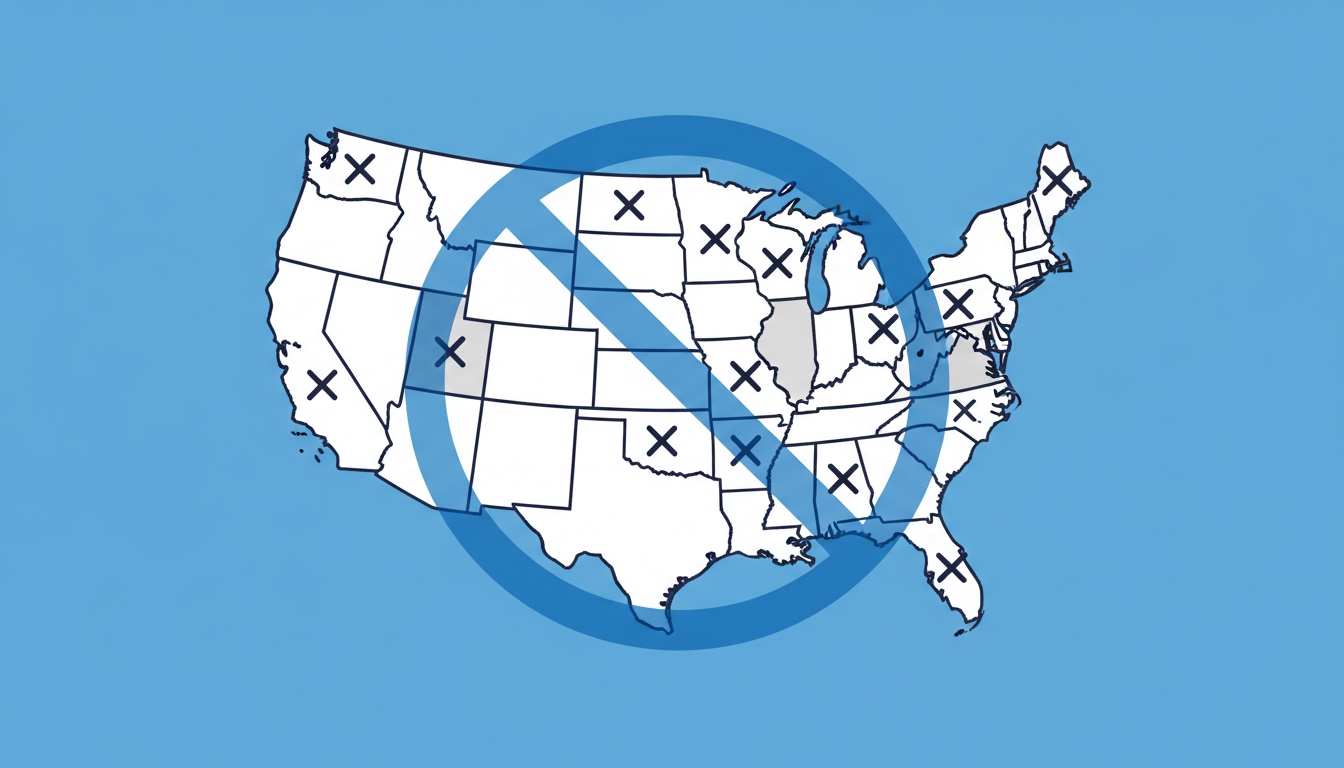

Brands in the alcohol industry — beer brands, wine clubs, spirits companies, and craft breweries — frequently want to run sweepstakes and giveaways that include their products as prizes. So do hospitality brands, event companies, and retailers selling alcohol — restaurant and bar sweepstakes frequently include alcohol prizes and face unique compliance requirements. The problem: alcohol is one of the most regulated product categories in the United States, and using it as a sweepstakes prize triggers a complex web of state laws that vary dramatically across the country.
Some states allow alcohol prizes with minimal restrictions. Others ban them outright for specific permit holders. A few prohibit them entirely regardless of who's running the promotion. This guide covers the key rules, identifies the most restrictive states, and explains how to structure a compliant alcohol prize sweepstakes.
Alcohol prizes are regulated by two separate legal frameworks
Alcohol sweepstakes must comply with both sweepstakes law (the three-element test, no purchase necessary, etc.) AND alcohol regulatory law (state liquor control statutes, TTB regulations, tied-house restrictions). These frameworks operate independently — compliance with one doesn't satisfy the other. You need both your sweepstakes lawyer and your alcohol compliance counsel to sign off on these promotions.
The Federal Layer: TTB and Alcohol Advertising
At the federal level, alcohol beverage advertising is regulated by the Alcohol and Tobacco Tax and Trade Bureau (TTB). The TTB has jurisdiction over advertising by producers, importers, and wholesalers of alcohol. Key TTB requirements for sweepstakes and promotional activities:
- No misleading representations: Sweepstakes advertising for alcohol brands cannot make false or misleading claims about the brand or the promotion.
- Required disclosures: Alcohol advertising must comply with TTB labeling and advertising regulations, including any required government health warnings in certain formats.
- Tied-house rules: The federal "tied-house" regulations prohibit certain business arrangements between alcohol producers/importers and retailers. Promotions that provide things of value (including prizes) to retailers in exchange for favorable product placement may violate tied-house rules.
However, TTB regulations are primarily focused on alcohol advertising content, not on whether alcohol can be used as a prize. The more relevant restrictions come from state law.
State-by-State Alcohol Prize Restrictions
States fall into several broad categories when it comes to alcohol as a sweepstakes prize:
| Category | States (Examples) | What's Allowed |
|---|---|---|
| Generally permissive | CA, TX, NY, CO, OR, WA | Alcohol prizes generally OK with age verification and permit compliance |
| Restricted by permit type | IL, OH, PA, MI, VA | Depends on sponsor's license tier; retailer promotions often prohibited |
| Tied-house restrictions affect promos | Most states | Producer/importer promos to retailers restricted; direct-to-consumer OK in many cases |
| Dry counties/municipalities | KY, TN, AR, MS, TX (local) | Cannot ship or award alcohol prizes to addresses in dry jurisdictions |
| Outright prohibition or heavy restriction | UT, KS (limited) | Very limited or no alcohol giveaways permitted; consult local counsel |
Dry counties are invisible in online entries
The U.S. has over 500 dry counties or municipalities where the sale and often the receipt of alcohol is prohibited. When a sweepstakes winner lives in a dry jurisdiction, shipping alcohol to them may violate local law — even if the shipment originates from a legal state. IP geolocation doesn't reliably identify dry counties. The safest approach: require winners to confirm their address permits alcohol receipt, and offer a substitute prize for winners in restricted locations.
Key State-Specific Rules
California
California generally permits alcohol sweepstakes prizes with proper age verification (21+). Suppliers (producers, importers) can run consumer sweepstakes with alcohol prizes under the supplier promotional rules. Retailers face more restrictions — retailers are generally prohibited from providing alcohol as prizes in promotions, particularly if the promotion is tied to a specific brand or supplier product. The California ABC (Alcoholic Beverage Control) issues guidance on permissible promotional activities.
Texas
Texas allows alcohol prizes in sweepstakes but has strict tied-house restrictions. Manufacturers and distributors may run consumer promotions; retailers are heavily restricted. Texas also requires age verification for alcohol prize claims and shipping compliance under its dry area laws (significant portions of Texas are in dry counties).
Pennsylvania
Pennsylvania's Liquor Control Board heavily regulates alcohol promotional activities. Licensees in certain tiers are restricted from certain prize promotions. Consult a Pennsylvania liquor attorney before running any alcohol prize sweepstakes targeting PA residents.
Utah
Utah has the most restrictive alcohol regulatory environment in the country. The state operates a government monopoly on spirits retail, and alcohol advertising and promotional activities face significant constraints. Using alcohol as a sweepstakes prize in Utah is generally inadvisable without specific legal clearance. Excluding Utah from alcohol prize sweepstakes eligibility is the standard practice.
Mississippi and Alabama
Both states have significant dry area coverage and complex alcohol regulatory structures. Verify county-level restrictions for any sweepstakes winner before shipping alcohol prizes to addresses in these states.
The Shipping Problem
Even if your sweepstakes is structured correctly and alcohol prizes are permitted in your winner's state, shipping alcohol across state lines is a separate legal issue. The legality of direct-to-consumer (DTC) alcohol shipping varies by state:
California
No registrationNew York
No registrationUtah
Registration requiredFor sweepstakes with alcohol prizes, the most defensible approach is to:
- Restrict eligibility to states where both the promotion and the prize delivery are legally permissible
- Use a licensed alcohol shipper who verifies age and manages compliance
- Offer a substitute prize (cash equivalent or non-alcohol prize) for winners in restricted states
Age Verification Requirements
All alcohol prize sweepstakes must require entrants to be 21 or older. This is not optional — it's required by state law and by responsible advertising practices enforced by industry bodies (DISCUS, Wine Institute, Beer Institute all have codes of responsible advertising that prohibit targeting under-21 audiences).
Alcohol Sweepstakes Age Verification Checklist
- Eligibility section of official rules: 'Open to legal U.S. residents who are 21 years of age or older'
- Entry form: Age gate requiring confirmation of 21+ status before accessing the entry form
- Winner verification: Collect date of birth on W-9 or affidavit; verify winner is 21+
- Delivery: Require adult (21+) signature at delivery; use age-verification shipping services
- Advertising: Ensure all promotional materials comply with DISCUS/Wine Institute/Beer Institute codes
- Social media: Do not target under-21 audiences with alcohol prize advertising; use <a href='/blog/instagram-giveaway-rules-2026/'>platform age targeting tools</a>
- Exclude states where 21+ is insufficient (some states require higher age for specific license types)
 Revup
Revup
Revup sweepstakes support custom eligibility requirements — including age gates, state exclusions, and geographic restrictions — so your alcohol prize promotions stay compliant.
Tied-House Rules: The Most Common Compliance Trap
The tied-house rules — both federal and state — are the most frequently overlooked compliance issue in alcohol prize sweepstakes. These rules prohibit certain relationships between different tiers of the alcohol distribution chain (producers, distributors, retailers) that would give one tier control over another.
In the sweepstakes context, tied-house rules most commonly affect:
- Beer/wine/spirits brand promotions at retail: If a brand runs a sweepstakes tied to purchase at a specific retailer, regulators may view this as providing a "thing of value" (the promotional support and prize) to a retailer in exchange for favorable placement — a potential tied-house violation.
- Retailer-run promotions featuring a single brand: A wine shop running a sweepstakes that exclusively features one winery's products may be accepting a thing of value from that winery in exchange for promotion — potentially a tied-house issue.
- Distributor promotions: Distributors running sweepstakes to drive retail sales face tied-house exposure in many states.
The safest structure: producers run consumer sweepstakes directly (not through retailers), with no retailer-specific purchase requirements. Where retail participation is desired, consult your alcohol compliance attorney about permissible promotional tie-ins in each state.
Official Rules Language for Alcohol Prizes
Your official rules must specifically address alcohol prize restrictions. Add this to your eligibility section:
Prize contains [describe alcohol component]. Must be 21 years of age or older to enter and win. Alcohol prize is void where prohibited by applicable law, including in jurisdictions that prohibit the shipment or receipt of alcohol beverages. In the event a winner resides in a jurisdiction where the alcohol prize cannot lawfully be awarded or shipped, Sponsor reserves the right to substitute a prize of equal or lesser value at Sponsor's discretion.
Download: State Law Summary PDF
State-by-state reference guide including alcohol prize restrictions, DTC shipping permissions, dry county coverage, and sweepstakes registration requirements — designed for brands running alcohol giveaways.
No spam. Unsubscribe anytime.
For more on state-specific restrictions, use the interactive sweepstakes law map. For the foundational sweepstakes legal framework, see sweepstakes vs contest vs lottery and the Complete Guide to Sweepstakes Laws.