Instant win games are sweepstakes where participants find out immediately whether they've won — a scratch card reveal, a spin-to-win wheel, a virtual prize drop. They're among the highest-engagement promotion formats available to brands, consistently outperforming standard sweepstakes on participation rates, repeat visits, and social sharing.
But instant win promotions are also more complex to run than standard drawings. You need to pre-seed winning moments, calculate and document odds, manage prize pools across the promotion period, and comply with the same sweepstakes laws that govern any random-chance promotion.
This guide covers the mechanics, math, and compliance behind running a successful instant win game.
How Instant Win Games Work
Unlike a standard sweepstakes — where entries accumulate and a winner is drawn at the end — an instant win game has predetermined winning moments distributed throughout the promotion period. When a participant plays at a winning moment, they win instantly. When they play at a non-winning moment, they don't.
How Instant Win Mechanics Work
Pre-seed winning moments
Before launch, the system randomly distributes winning moments across the entire promotion period. Each winning moment is associated with a specific prize from the prize pool.
Participant plays the game
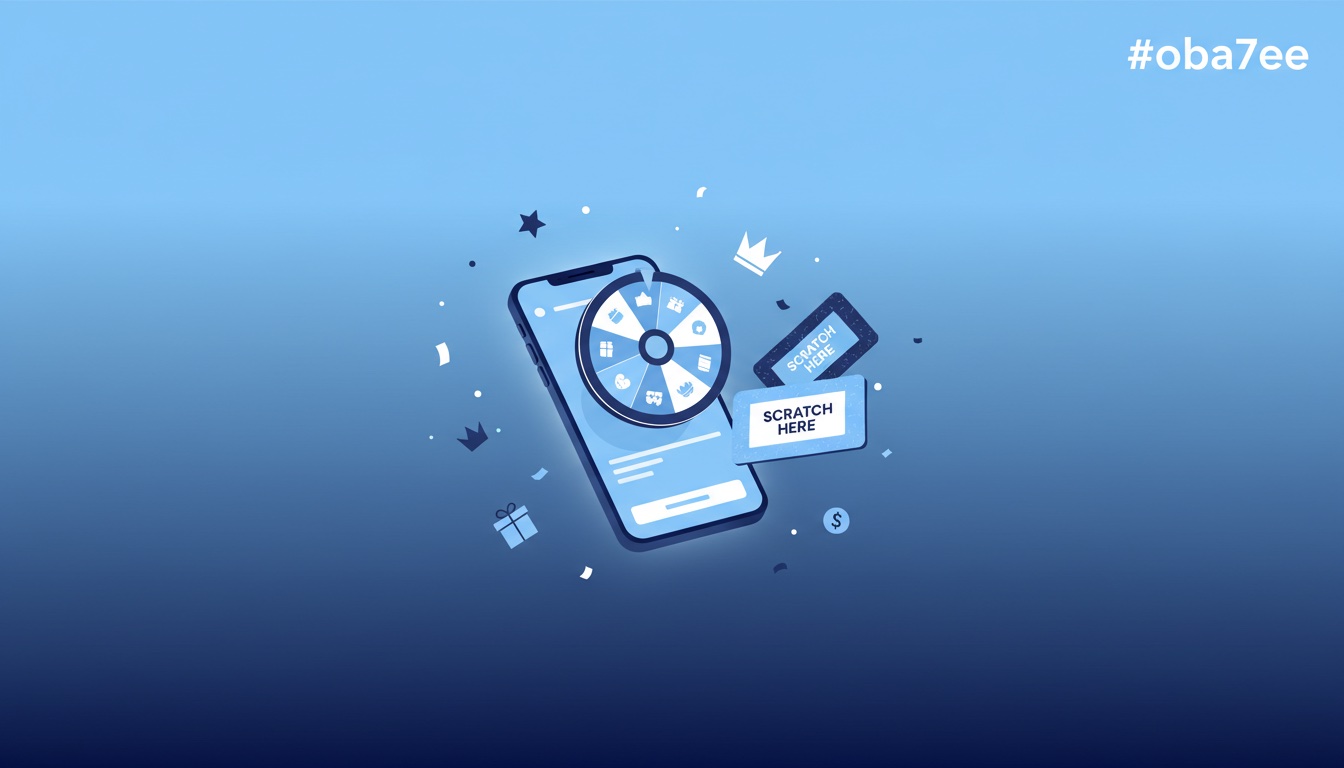
A user interacts with the game mechanic — spinning a wheel, scratching a card, opening a digital envelope. The visual is for engagement; the outcome was determined by whether that moment is a winning moment.
System checks the clock
At the exact moment of play, the system checks whether the current timestamp matches a pre-seeded winning moment that hasn't already been claimed.
Result delivered instantly
Winner sees a winning reveal and receives instructions for claiming their prize. Non-winners see a 'try again' message and are encouraged to return.
The game visual doesn't determine the outcome
In a compliant instant win game, the spinning wheel or scratch card animation is purely visual. The outcome is determined by the pre-seeded winning moment algorithm, not by where the wheel lands or what the card reveals. This is an important legal distinction — the visual entertainment element must never misrepresent the actual probability of winning.
Popular Instant Win Game Formats
| Format | Best For | Engagement Level | Complexity |
|---|---|---|---|
| Spin-to-win wheel | Retail, ecommerce, event booths | Very high — visual + interactive | Moderate |
| Digital scratch card | Mobile campaigns, email promotions | High — familiar mechanic | Low |
| Prize drop / claw machine | Gamified brand experiences | Very high — novelty factor | High |
| Peel-to-reveal | Product packaging, in-store displays | Moderate — simple interaction | Low |
| Match-to-win | Loyalty programs, repeat engagement | High — multiple plays encouraged | Moderate |
| Slot machine / reel spin | Entertainment, gaming-adjacent brands | Very high — addictive mechanic | Moderate |
Calculating Odds for Instant Win Games
Odds calculation for instant win games is more nuanced than for standard sweepstakes. In a standard drawing, odds are simply 1 divided by the total number of entries. In an instant win game, odds depend on how winning moments are distributed, how many plays occur, and the time-seeding algorithm.
The Basic Odds Formula
For a simple instant win game with a fixed number of prizes distributed evenly across the promotion:
- Odds per play = Total prizes ÷ Expected total plays
- Example: 100 prizes across an expected 50,000 plays = 1:500 odds per play
Time-Seeded vs. Random-Per-Play
There are two primary approaches to determining instant win outcomes:
- Time-seeded (pre-determined): Winning moments are randomly assigned to specific timestamps before the promotion starts. The first person to play at or after each winning moment wins. This is the most common and legally preferred approach because all winning moments are documentable before launch.
- Random-per-play: Each play triggers a random number generation with fixed probability. This approach is simpler to implement but harder to guarantee exact prize distribution — you might award all prizes early or have unclaimed prizes at the end.
Odds must be disclosed in your official rules
Your official rules must include the odds of winning — either the exact odds (e.g., '1:500 per play') or a statement that odds depend on the number of eligible entries received. For time-seeded games, you should also disclose the total number of prizes available and the promotion period over which they're distributed.
Prize Pool Design and Distribution
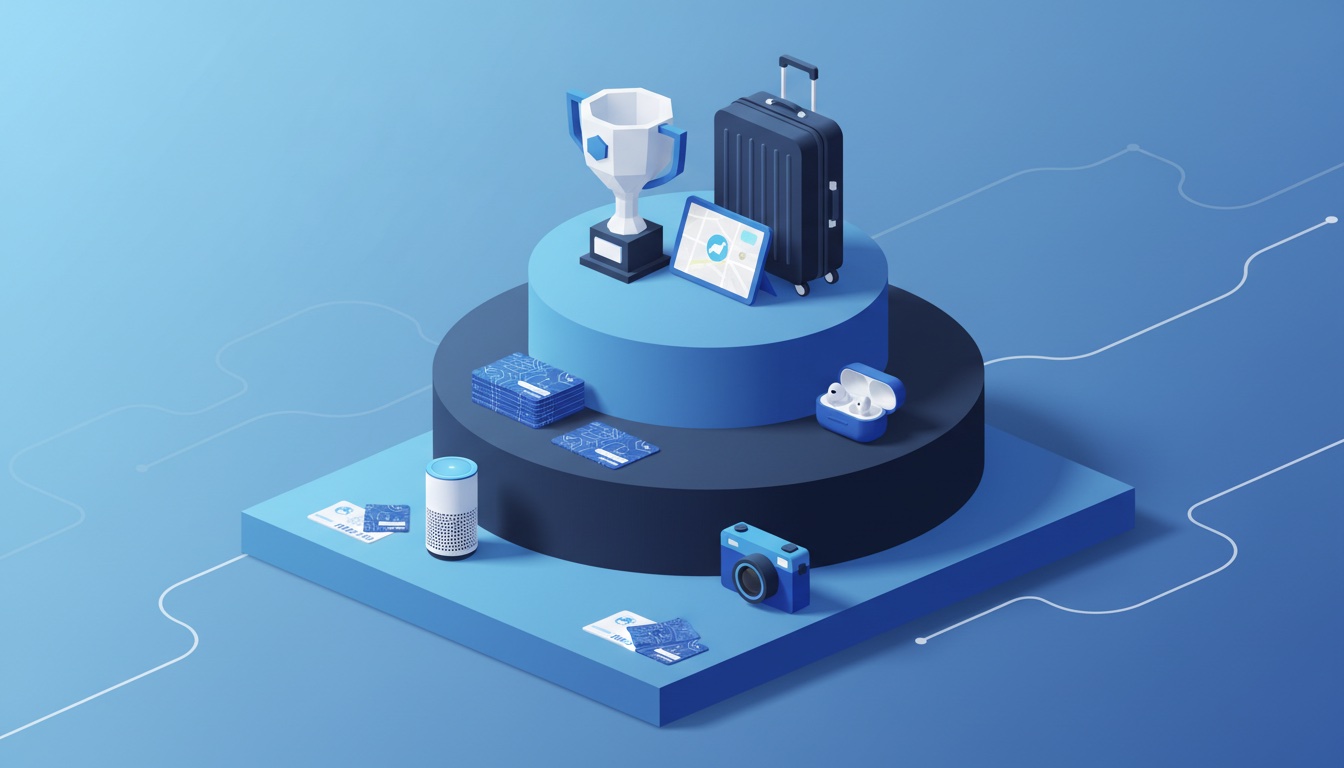
A well-designed prize pool balances high-value anchor prizes with frequent smaller wins to keep players engaged.
Tiered Prize Structure
- Grand prize (1-3): High-value items that drive initial interest and promotion sharing. Examples: electronics, travel, large gift cards.
- Mid-tier prizes (10-50): Moderate-value items that keep excitement high. Examples: product bundles, branded merchandise, $50-$100 gift cards.
- Frequent wins (100-1,000+): Low-value prizes that create a high win rate. Examples: discount codes, free products, small gift cards, digital content.
High win rates drive repeat play
The most successful instant win games have an overall win rate between 1:5 and 1:20 — high enough that players feel like winning is achievable. Load your prize pool with frequent small wins (discount codes, free items) while keeping a few aspirational grand prizes to drive sharing and buzz.
Time Distribution Strategy
Don't distribute all prizes evenly. Smart distribution accounts for traffic patterns:
- Launch day surge: Allocate more prizes to the first 24-48 hours when traffic is highest. Early winners generate social proof.
- Mid-promotion maintenance: Steady prize distribution to maintain engagement during the middle period.
- End-of-promotion push: Reserve prizes for the final days to create urgency and a second traffic spike.
- Daily caps: Limit daily prize awards to prevent all prizes from being claimed on high-traffic days.
Legal Requirements for Instant Win Games
Instant win games are legally classified as sweepstakes — winners are selected by chance (the random pre-seeding), and no purchase can be required to play. All standard sweepstakes laws apply, plus additional requirements specific to instant win formats.
Instant Win Compliance Checklist
- Official rules include complete instant win game mechanics description
- Odds of winning disclosed (per play and overall)
- Total number and value of prizes listed
- Promotion period with exact start/end dates and timezone
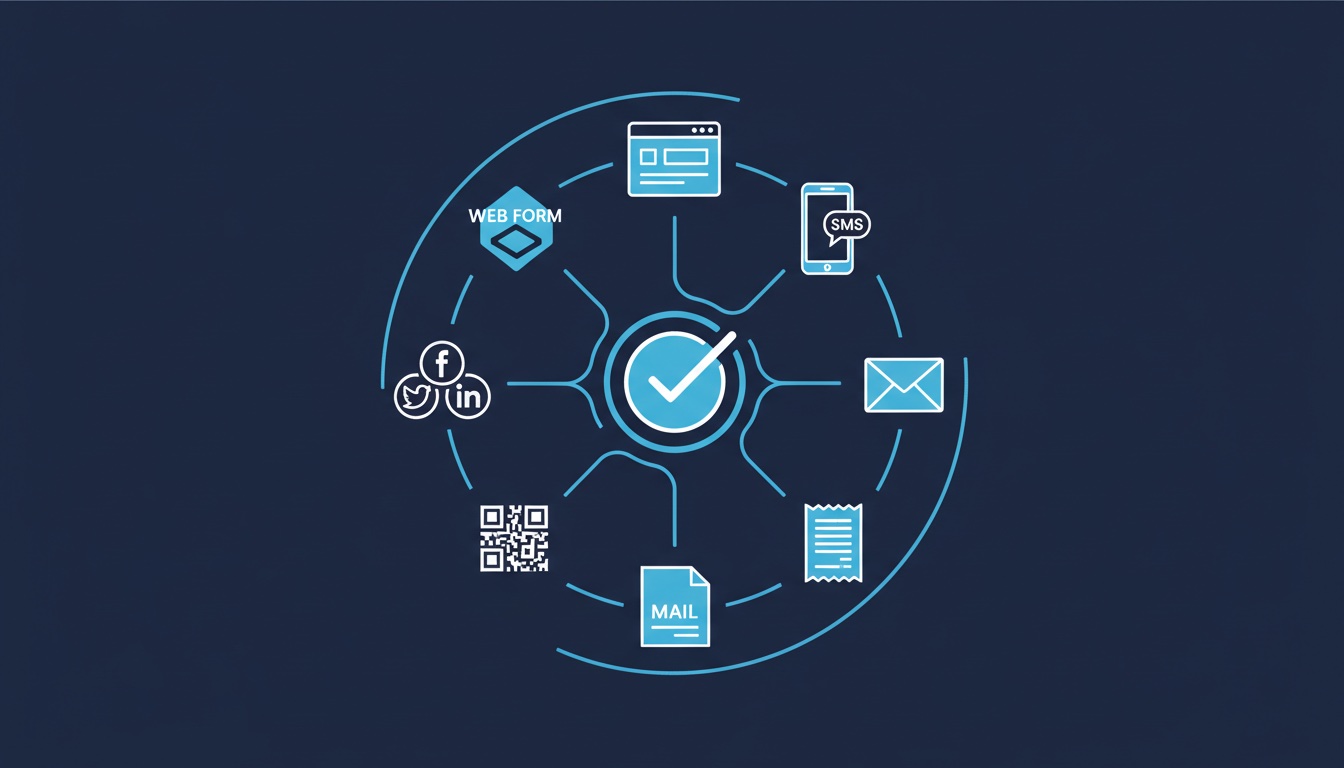
- Free alternative method of entry (AMOE) available
- No purchase necessary statement on every game touchpoint
- Pre-seeded winning moments documented before launch
- Random number generation method documented and auditable
- State registration filed if total prize value exceeds thresholds
- Prize claim process and expiration timeline stated
- Game visual does not misrepresent actual odds of winning
For complete legal requirements, see our guides to running a sweepstakes legally and writing official rules.
 Revup
Revup
Revup handles instant win game mechanics, pre-seeded odds, prize pool management, and compliant official rules — all from one platform.
Setting Up Your Instant Win Game
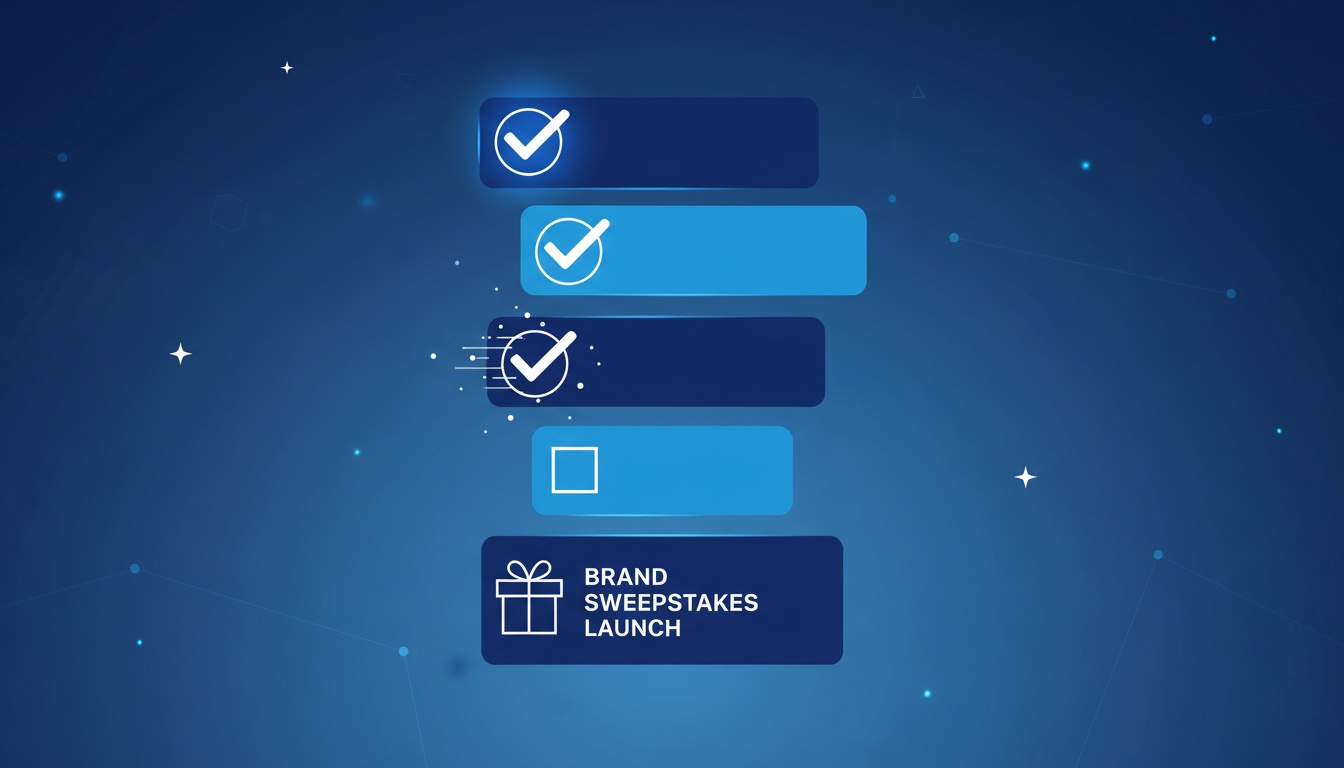
Instant Win Game Launch Process
Define prize pool and budget
Determine total prize value, number of tiers, and prize mix. Calculate expected play volume to set odds. Check state registration thresholds.
Choose game mechanic
Select the visual format (wheel, scratch card, etc.) that fits your brand and campaign. Remember: the visual is entertainment — the algorithm determines outcomes.
Configure odds and time-seeding
Set winning moments across the promotion period. Distribute based on expected traffic patterns. Document the algorithm and seed data before launch.
Draft official rules
Include all standard sweepstakes requirements plus instant win-specific elements: mechanics, per-play odds, total prizes, and claim process.
Build and QA
Test all game states: winning reveal, losing reveal, prize claimed, promotion expired, ineligible player. Test the AMOE path. Verify rules link.
Launch and monitor
Track plays, wins, prize inventory, and claim rates in real time. Monitor for fraud patterns (rapid-fire plays, bot behavior, location spoofing).
Measuring Instant Win Game Performance
Key metrics for instant win promotions:
| Metric | What It Measures | Good Benchmark |
|---|---|---|
| Play rate | % of page visitors who play the game | 60-80% |
| Return play rate | % of players who come back and play again | 25-40% |
| Win claim rate | % of winners who complete the claim process | 70-85% |
| Social share rate | % of players who share after playing | 10-20% |
| Email opt-in rate | % of players who opt into email | 30-50% |
| Cost per engagement | Total spend ÷ total plays | Varies by industry |
For a comprehensive framework on measuring promotion ROI, see how to measure sweepstakes ROI.
Frequently Asked Questions
Can I limit the number of plays per person per day?
Yes. Most instant win promotions limit plays to 1-3 per day per person. State this clearly in your official rules. Implement technical controls (cookies, account-based limits, IP monitoring) to enforce the limit, but don't rely solely on technical measures — document the rule.
What if prizes run out before the promotion ends?
Your official rules should address this scenario. Common approaches: end the instant win element early (announce that all instant win prizes have been claimed), or continue the game with a second-chance drawing for remaining participants.
Do I need to award all prizes?
Only if your rules guarantee that all prizes will be awarded. Most instant win rules include language stating that prizes are available "while supplies last" or that odds are based on the number of entries received. Unclaimed prizes (where no one played at the winning moment) typically revert to the sponsor.
Can an instant win game require a purchase?
No — instant win games are sweepstakes (prize + chance), and requiring a purchase adds consideration, making it an illegal lottery. You can link primary entries to purchases, but you must provide an equally accessible free AMOE. See our purchase sweepstakes guide for the compliant structure.
Ready to build? See the full How to Run a Sweepstakes guide for end-to-end planning, or explore sweepstakes entry methods to compare instant win against other formats.