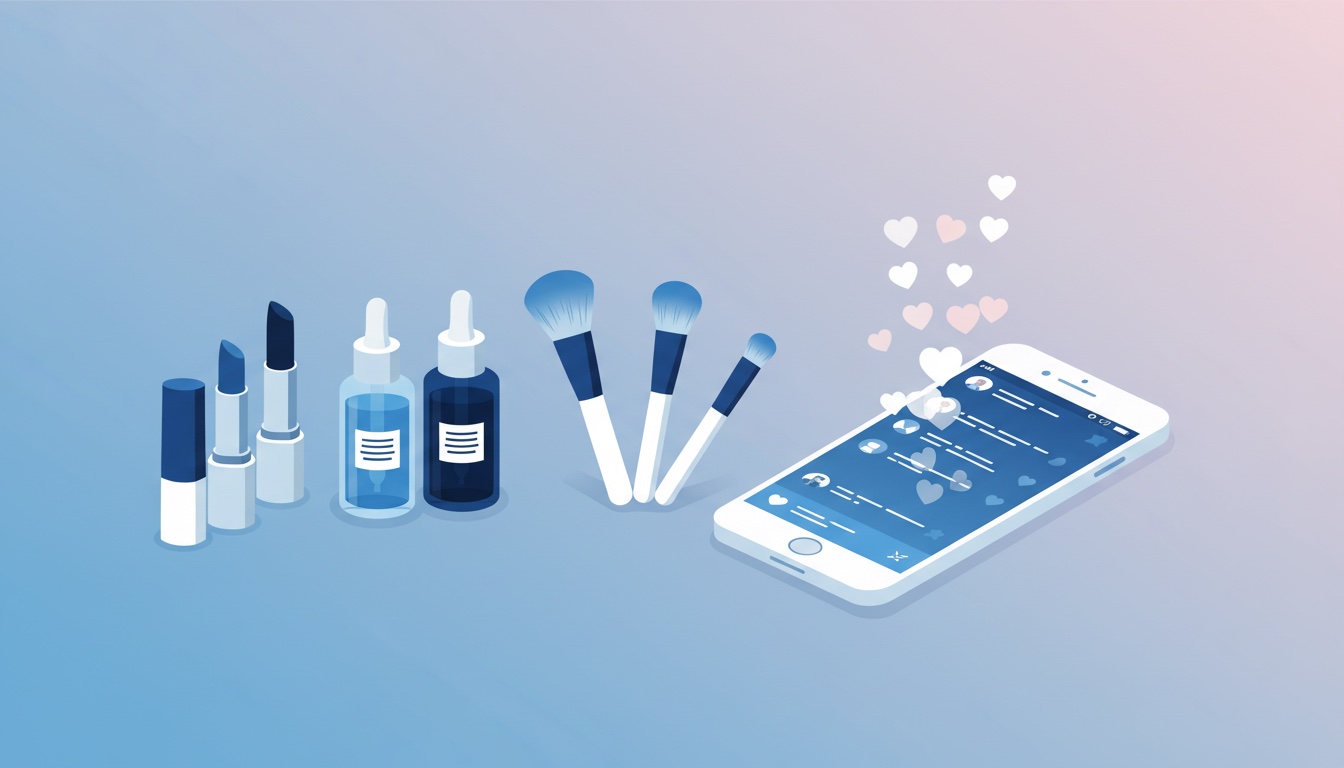
Beauty brands operate in one of the most crowded categories in consumer marketing. Thousands of skincare lines, cosmetics brands, haircare companies, and wellness products compete for the same audience across the same platforms every day. Paid acquisition costs continue to climb. Organic reach keeps shrinking. Standing out requires more than great products and polished content — it requires giving your audience a reason to engage, share, and come back.
The brands that grow fastest in beauty share a common strategy: they turn their audience into participants, not just spectators.
Giveaways, contests, and sweepstakes are the highest-ROI community-building tools available to beauty brands — and they work across every industry. They drive product trial at scale, generate authentic user-generated content, deepen influencer relationships, and build email lists of people who have already raised their hand to say they want your products. When structured correctly, a single beauty giveaway can accomplish what weeks of paid media struggle to deliver.
This guide covers the full spectrum of giveaway and contest ideas designed specifically for beauty and skincare brands. Each idea includes the promotion structure, platform strategy, compliance requirements, and expected outcomes. Whether you are an indie brand launching your first product or an established company looking to re-energize your community, these are the formats that work.
The ideas below are organized by promotion type — influencer collaborations, UGC campaigns, product sampling, seasonal promotions, referral mechanics, and quiz-based experiences — so you can jump to the format most relevant to your current goals. Each section includes implementation guidance, compliance notes, and real-world benchmarks. For a broader overview of how promotions work across consumer categories, see our sweepstakes laws guide.
Why Giveaways Work Uniquely Well for Beauty Brands
Beauty is a category built on trial. Consumers rarely commit to a $45 serum or a $30 lipstick without trying it first. Samples have always been the primary conversion tool in beauty retail — from department store counters to Sephora checkout bags. Giveaways extend this trial-first model into digital channels at a fraction of the cost.
But product trial is only one dimension. Beauty giveaways deliver compounding value across four areas that matter most to beauty marketers:
Product Discovery and Trial
When your prize is your own product, every giveaway winner becomes a potential long-term customer. The cost of giving away a $50 product bundle is negligible compared to the lifetime value of a customer who discovers a new holy grail product through your promotion. Unlike paid samples, giveaway winners are self-selected — they entered because they already want what you make.
Community Building
Beauty is one of the most community-driven categories in consumer products. Your customers talk to each other, recommend products to friends, and form genuine emotional connections with brands they trust. Giveaways create moments of shared excitement that strengthen these connections. A well-run promotion makes your audience feel like insiders, not targets.
User-Generated Content
Beauty UGC is the most valuable content type in the category. Real people using real products in their real routines outperform polished studio content across every metric — engagement, click-through, conversion. Contests that invite UGC submissions give you a library of authentic content you can repurpose across ads, email, social, and your website (with proper permission built into your rules).
Email List Growth
Every giveaway entry that captures an email address adds a permission-based contact to your owned audience. Unlike social followers — who are rented from a platform that controls your reach — email subscribers are yours. A single giveaway campaign can add thousands of qualified beauty enthusiasts to your list, each of whom has demonstrated active interest in your products.
Influencer Collaboration Giveaways
Influencer partnerships are the backbone of beauty marketing, and giveaways are the highest-engagement format within those partnerships. When a beauty influencer hosts a giveaway featuring your products, their audience sees it as a genuine recommendation — not an ad. The result is participation rates that dwarf standard sponsored content.
How to Structure an Influencer Giveaway
The most effective influencer beauty giveaways follow a consistent structure:
- Prize: A curated bundle of your products (not a gift card). Influencers want to show the products they are giving away, and their followers want to see exactly what they could win. Include 3-5 products that represent your brand's best sellers or a new launch collection.
- Entry mechanic: Follow the brand account + follow the influencer + leave a comment (answering a beauty-related question). This is the simplest, highest-participation format. Bonus entries for tagging a friend or sharing to Stories can amplify reach without overcomplicating the entry.
- Duration: 5-7 days for a single influencer giveaway, 10-14 days for a multi-influencer campaign. Shorter durations create urgency; longer campaigns allow for sustained promotion across multiple content pieces.
- Content: The influencer should create native content — a Reel showing the products, a tutorial using one of the prize items, or a routine video featuring the brand. This drives more engagement than a static product photo and gives the giveaway context within the influencer's regular content.
FTC Disclosure Requirements
Every influencer giveaway is a paid partnership under FTC guidelines, even if the only compensation is free product. The influencer must include clear disclosure — #ad or #sponsored at the beginning of the caption, not buried in a hashtag block. For Reels and TikTok videos, verbal disclosure within the first few seconds is required in addition to caption text. Instagram's Branded Content label should also be enabled. These requirements apply regardless of influencer size — micro-influencers are held to the same standard as celebrity ambassadors. For the full framework, see our guide to social media contest legal requirements.
Co-Branded Promotions
Co-branded giveaways between your brand and a complementary beauty brand — paired through a shared influencer — create the highest-value promotion format. For example, a skincare brand and a makeup brand co-sponsor a giveaway hosted by an influencer who uses both product lines. The combined prize package has higher perceived value, both brands gain access to the other's audience, and the influencer provides the credibility bridge. One brand must be named as the official sponsor in the rules, and both brands' terms must be addressed in the official rules document.
Choosing the Right Influencer Partners
Not all influencers are equal partners for beauty giveaways. The right partner has three qualities:
- Audience alignment: Their followers should match your target customer profile in demographics, interests, and purchasing behavior. A skincare brand targeting 25-35 year old women with sensitive skin needs an influencer whose audience matches — not just any beauty influencer with a large following.
- Authentic product affinity: The best giveaway partnerships start with influencers who already use and enjoy your products. Their audience can tell the difference between a genuine recommendation and a paid placement. If the influencer has organically mentioned your brand before, the giveaway will feel natural rather than forced.
- Engagement quality over follower count: A micro-influencer (10K-50K followers) with a 5-8% engagement rate and an audience of devoted beauty enthusiasts will outperform a mega-influencer (500K+ followers) with a 1-2% engagement rate and a broad, loosely defined audience. Evaluate engagement rate, comment quality, and audience responsiveness — not just follower count.
When evaluating influencer partners, request their audience demographics (most influencer platforms provide this data), review their recent engagement metrics, and ask for case studies from prior brand partnerships. The investment in finding the right partner pays for itself through higher giveaway participation, better-quality entries, and stronger post-promotion conversion.
One entity must be the named sponsor — even in co-branded giveaways
When two or more beauty brands co-sponsor a giveaway, a single entity must be identified as the official sponsor in the rules. This entity is legally responsible for the promotion — prize fulfillment, tax reporting, state registration, and dispute resolution. Decide this before drafting rules, and include each co-sponsor's role clearly in the official rules document.
 Revup
Revup
Revup handles influencer giveaway compliance automatically — official rules, FTC-ready disclosures, AMOE pages, and winner selection from a single dashboard.
UGC and Photo/Video Contests
User-generated content contests are the most powerful long-term investment a beauty brand can make through promotions. The giveaway itself drives engagement, but the content generated during the campaign has marketing value that lasts months — sometimes years — after the promotion ends.
Before-and-After Challenges
Ask participants to share a before-and-after photo showing results from using your product. This format works exceptionally well for skincare, haircare, and complexion products where visible transformation is the core value proposition. Participants post their photos with a branded hashtag, and a panel of judges selects the winner based on the most compelling transformation. Because judging involves skill assessment, this is a contest, not a sweepstakes — which means you need clearly defined judging criteria in your rules but do not need a free alternative method of entry. See sweepstakes vs contest vs lottery for the legal distinctions.
Tutorial and Routine Videos
Invite participants to create a short video — a makeup tutorial, a skincare routine, a get-ready-with-me — featuring your products. This format generates the highest-quality UGC because it shows your product in use within a real person's real routine. The content is authentic, relatable, and ready to repurpose (with permission). For TikTok and Instagram Reels, this format also benefits from algorithmic amplification because it resembles native creator content.
Transformation Challenges
Create a specific creative challenge — "Show us your best holiday glam using only products from [Brand]" or "Film your 60-second morning routine" — with a branded hashtag and a compelling prize. Transformation challenges generate volume because they give participants a clear creative brief while leaving room for personal expression. The best entries become campaign assets; the broader participation drives brand visibility.
Securing Content Rights
If you plan to repurpose UGC submissions in your marketing, you must address content rights in your official rules. Your rules should include a content license grant that gives your brand the right to use, reproduce, and display submitted content across your marketing channels. Be specific about usage scope (social media, website, email, paid advertising) and duration (perpetual or time-limited). Participants should agree to these terms as a condition of entry. This is not optional — using someone's content without permission, even from a contest you ran, creates legal liability.
Running a Successful Beauty UGC Campaign: Step by Step
UGC contests have more moving parts than standard sweepstakes. Here is how to execute one effectively:
- Define the creative brief clearly. Vague prompts ("show us your look") generate vague content. Specific prompts ("film your 60-second morning skincare routine using at least one [Brand] product") generate content you can actually use. Be precise about format (photo or video), length (15-60 seconds for video), and what must be included.
- Provide visual examples. Show participants what a great entry looks like. Post 2-3 example videos or photos that represent the quality and style you are looking for. This dramatically improves submission quality and reduces the number of off-brief entries.
- Make it easy to submit. Hashtag-based collection (post with #BrandChallenge) is the lowest-friction method. Form-based upload (submit your content at this URL) gives you more control and cleaner data. Use whichever method your audience will find easiest — if your audience is TikTok-native, hashtag collection works; if they are more email-oriented, a form upload may be better.
- Curate submissions in real time. Do not wait until the contest ends to review entries. Check submissions daily, share the strongest ones to your Stories (with credit), and engage with participants through comments. This real-time curation encourages more and better submissions from people watching the contest unfold.
- Announce winners with their content. When you announce the winner, feature their content prominently — repost their entry, tag them, and explain why it won. This moment is the highest-visibility content from the entire campaign, and it sets the quality bar for your next contest.
UGC contests generate 4x more repurposable content than standard giveaways
A well-structured UGC contest with 200 entries can produce 15-30 pieces of content strong enough for your brand's social feed, email campaigns, or even paid ads. Include a content license in your rules, curate the best submissions during the promotion, and reach out to top creators after the contest to build ongoing relationships.
Product Sample and Bundle Giveaways
The simplest and most effective beauty giveaway format is also the oldest: give people your products and let the products do the selling. Product-as-prize promotions convert at higher rates than cash or gift card giveaways because every winner becomes a product tester with a personal stake in sharing their experience.
Single Product Giveaways
Give away one hero product — your best-selling serum, your flagship palette, your signature fragrance. This format works for product launches (build anticipation), restock moments (re-engage your waitlist), or evergreen campaigns (steady follower and email growth). Single product giveaways are the lowest-friction format to administer: one prize, one winner, straightforward logistics.
Curated Bundle Giveaways
Bundle 3-7 products into a themed collection — "The Complete Morning Routine," "Summer Glow Essentials," "Holiday Gift Set." Bundles have higher perceived value than individual products, and they expose the winner to your full product range rather than a single SKU. This increases the likelihood that the winner discovers a second or third product they want to repurchase. Bundles also photograph well for social content, making them ideal for Instagram and TikTok giveaway announcements.
Sample Box Sweepstakes
Instead of one grand prize winner, give away sample-size sets to 10, 25, or 50 winners. This format maximizes product trial — more people experience your products, which means more potential conversions and more organic word-of-mouth. The cost per winner is low (sample sets can be assembled for $10-20 each), and the aggregate marketing impact of 50 people trying your products simultaneously is significant. This format works especially well for new brands building initial awareness.
Mystery Product Giveaways
Announce a giveaway where the prize is a "mystery bundle" from your brand — winners receive a surprise selection of products. This format drives curiosity-based engagement (comments asking "what's in the bundle?") and gives you flexibility to include excess inventory, pre-launch samples, or seasonal items. Disclose the approximate retail value (ARV) of the mystery bundle in your official rules even though the specific contents are not revealed.
Product Giveaway Best Practices
Regardless of which product giveaway format you choose, several best practices apply across the board:
- Always photograph the prize beautifully. Beauty is a visual category — the giveaway announcement image or video is the single biggest driver of participation. Invest in product photography that shows the prize in its best light. Flat lays, unboxing shots, and lifestyle imagery all outperform plain product catalog images.
- Include a handwritten note or branded packaging. The winner's unboxing experience is content waiting to happen. When a winner receives a thoughtfully packaged prize with a personal note from the brand, they are significantly more likely to post about it — generating organic UGC that extends the promotion's impact beyond the entry period.
- Ship prizes promptly. Deliver the prize within 2-3 weeks of winner confirmation. Delayed fulfillment erodes trust and reduces the likelihood that the winner will share their experience. Your official rules should include an expected delivery timeline.
- Follow up with the winner. Two weeks after the prize arrives, send a personal email asking about their experience. This touchpoint strengthens the relationship, opens the door for a testimonial, and can convert the winner into a repeat customer. If they loved the products, invite them to share a review or become a brand ambassador.
- Track winner conversion. Monitor whether the winner makes a subsequent purchase. This data point — combined with the post-promotion purchase rate of all participants — is the clearest measure of whether your giveaway is driving real business value beyond vanity metrics.
Seasonal Beauty Promotions
Beauty is an inherently seasonal category. Product launches, routines, and consumer behavior shift with the calendar — and your promotion strategy should follow the same rhythm. Aligning giveaways with seasonal moments increases relevance, urgency, and participation.
Seasonal Promotion Calendar
| Season / Moment | Promotion Idea | Best Prize Format |
|---|---|---|
| New Year (Jan) | New Year, New Routine — resolution-themed giveaway | Skincare starter bundle |
| Valentine's Day (Feb) | Self-love giveaway — treat yourself or gift a friend | Luxury product set + gift packaging |
| Spring Launch (Mar-Apr) | Spring refresh — new product launch giveaway | New collection pre-release bundle |
| Mother's Day (May) | Nominate a deserving mom — UGC or nomination contest | Spa-day product bundle |
| Summer (Jun-Jul) | Summer glow essentials — SPF, bronzer, body care | Summer skincare + body care set |
| Back to School (Aug-Sep) | Quick routine challenge — 5-minute looks | Everyday essentials bundle |
| Fall Launch (Sep-Oct) | Fall shade drop — new seasonal shades giveaway | Fall collection first-access bundle |
| Halloween (Oct) | Best makeup look contest — creative skill challenge | Full-size product collection |
| Holiday Season (Nov-Dec) | 12 Days of Beauty — daily prize giveaway series | Daily individual prizes + grand prize bundle |
| Black Friday / Cyber Monday | Purchase sweepstakes tied to BFCM orders | High-value bundle or VIP experience |
Aligning with Product Launch Cycles
The most effective seasonal beauty promotions are timed 1-2 weeks before a product launch or seasonal collection drop. Use the giveaway to build anticipation, capture email addresses for the launch announcement, and generate pre-launch UGC from winners who receive the product early. This creates a flywheel: the giveaway drives awareness, winners create content, content drives launch-day sales.
The timing matters more than most brands realize. A giveaway launched two weeks before a product drop builds maximum anticipation — winners receive the product before anyone else, creating exclusivity and early social proof. A giveaway launched on launch day capitalizes on peak attention but misses the pre-launch hype window. A giveaway launched one week after launch extends the conversation and targets people who saw the launch but have not yet purchased. Test all three timing strategies across different product launches and measure which generates the highest downstream purchase rate for your audience.
Multi-Day Giveaway Series
During peak seasons (holiday, BFCM), a multi-day giveaway series — "12 Days of Beauty," "7 Days of Skincare" — maintains engagement over a longer period and gives you a reason to post daily. Each day features a different product or bundle as the prize. Participants can enter daily, which drives repeated engagement. Administratively, each day is a separate promotion with its own entry period and winner, so your official rules should clearly define the structure for each individual drawing.
Multi-day series require more planning but deliver disproportionate results. Here is how to structure one effectively:
- Establish a theme and visual identity. Create a consistent visual template for the series so followers immediately recognize each day's post as part of the campaign. A branded countdown graphic, a consistent color palette, and a series hashtag (#12DaysOfBeauty) tie the individual posts together into a cohesive experience.
- Escalate prize value. Start with smaller prizes (individual products, sample sets) in the first few days and build to a grand prize on the final day. This escalation creates building momentum — each day's prize reveal generates anticipation for the next. The grand prize should be your highest-value offering: a complete product collection, a VIP experience, or a year's supply.
- Cross-promote each day's entry. Every day's post should remind followers to check back tomorrow for the next prize. Use Story countdowns, pinned posts, and email reminders to drive return visits. The repeated daily engagement signal also tells the Instagram algorithm that your account is producing high-interest content, which can boost organic reach for the remainder of the series.
- Prepare all content in advance. A 12-day series requires 12 announcement posts, 12 winner selections, 12 notification emails, and daily monitoring. Prepare every piece of content, every rules document, and every automated email before Day 1. Running a multi-day series in real time without pre-production is a recipe for missed posts and compliance gaps.
Holiday giveaway series outperform single holiday giveaways by 3-4x in total engagement
A 12-day beauty giveaway series generates 3-4x the total engagement of a single holiday giveaway because it creates daily touchpoints with your audience. Each day's announcement drives followers back to your profile, and the cumulative effect builds sustained momentum through the holiday shopping season. Structure each day as an independent sweepstakes with its own rules and winner.
Referral Programs for Beauty Brands
Friend-get-friend mechanics are a natural fit for beauty because the category is built on personal recommendations. When a friend tells you about a product that changed their skin, you listen. Referral-based giveaways formalize this behavior and reward it.
Tag-a-Friend Sweepstakes
The simplest referral mechanic: participants enter by commenting on a post and tagging a friend who would love the product. Both the participant and the tagged friend are entered to win. This format drives organic reach because every tag introduces your brand to a new potential customer. However, be aware that requiring friend tags as the sole entry method raises legal consideration concerns — always offer a tag-free baseline entry and treat tags as a bonus action. For the legal nuances, see our guide to Instagram giveaway rules.
Share-to-Enter Campaigns
Ask participants to share a giveaway post to their Instagram Story, tag the brand, and have their friends follow the brand for bonus entries. This mechanic amplifies reach exponentially — each share puts your brand in front of a new audience segment. Track shares through story mentions or a promotion platform that monitors branded hashtags. Because Story shares are difficult to verify manually, using a promotion management platform is strongly recommended for share-to-enter campaigns.
Referral Link Mechanics
For brands with more sophisticated promotion infrastructure, referral link giveaways give each participant a unique referral URL. When their friends enter through that link, both the referrer and the referee earn additional entries. This mechanic provides clean attribution, enables precise tracking of referral chains, and removes the consideration concerns associated with social media-based referral methods. It does require an external entry form and a platform that supports unique referral links.
Group Entry Giveaways
Let participants enter as a group — "Enter with your beauty squad" — where a team of 3-5 friends all enter together and share the prize if they win. This format is highly shareable because participants actively recruit their friends to join their group. The social dynamics of group entries create organic promotion that feels like fun, not marketing. Structure the official rules to define how group entries work, who the official entrant is, and how the prize is distributed among group members.
Loyalty Reward Giveaways
If your brand has a loyalty program or VIP tier, run exclusive giveaways as a reward for your most engaged customers. Members earn entries based on purchase history, points balance, or engagement milestones. The prize should reflect the exclusivity — a limited-edition product, an early access collection, or a one-on-one virtual consultation with your brand's lead esthetician or makeup artist. These promotions reinforce the value of your loyalty program while deepening the relationship with your highest-value customers.
Referral Mechanics and Legal Considerations
Any referral-based entry mechanic — tagging friends, sharing referral links, inviting friends to follow — has legal implications under sweepstakes law. The core question is whether the referral action constitutes consideration (something of value provided by the entrant). When a participant shares your giveaway with their network, they are providing measurable commercial value to your brand: expanded reach, new audience exposure, and potential new followers. Many attorneys argue this crosses the consideration line if it is the required entry method.
The safest approach: always offer a baseline entry that requires no referral activity (a simple form submission or a comment without tags). Allow referral actions — tagging friends, sharing links, inviting followers — as bonus entries that supplement the baseline. This structure preserves the referral benefit while avoiding the consideration argument. Your official rules should clearly distinguish between required entry actions and optional bonus actions.
Quiz-Based Promotions
Interactive quizzes are one of the most underutilized promotion formats in beauty marketing. They combine entertainment, personalization, and data collection into a single experience — and when paired with a giveaway incentive, they generate exceptional engagement and conversion rates.
Skin Type Quizzes
"Find your perfect skincare routine" — participants answer 5-10 questions about their skin type, concerns, and goals, then receive a personalized product recommendation. Everyone who completes the quiz is entered to win the recommended products. This format serves double duty: it provides genuine value to the participant (personalized advice) while giving your brand detailed customer data that informs future marketing, product development, and segmentation.
Product Recommendation Quizzes
"Which [Brand] product is your perfect match?" — a lighter, more fun version of the skin type quiz that matches participants with a specific product based on their preferences, lifestyle, or personality. The prize is the matched product. This format works for cosmetics, fragrance, and haircare brands where personal preference drives purchase decisions. It also generates shareable results ("I got the Rose Gold Palette — what did you get?") that amplify organic reach.
Beauty Knowledge Trivia
A trivia-format promotion where participants answer beauty-related questions — ingredient knowledge, skincare myths, application techniques — and everyone who scores above a threshold is entered to win. This format positions your brand as an educational authority while engaging beauty enthusiasts who take pride in their knowledge. Because correct answers are required, this is technically a contest (skill-based), not a sweepstakes — structure your rules accordingly.
Shade Match Challenges
For cosmetics brands: present participants with a series of shade swatches and ask them to identify which shade is the best match for a given skin tone. Correct answers earn entries. This gamified format is inherently engaging for makeup enthusiasts and drives deep product familiarity. It also generates data about which shades your audience is most interested in — valuable intelligence for inventory planning and marketing prioritization.
Implementation Tips for Quiz-Based Promotions
Quiz-based promotions require more setup than a standard social media giveaway, but they consistently outperform on email capture and engagement depth. Here are the practical considerations:
- Keep quizzes to 5-8 questions. Longer quizzes see significant drop-off after the eighth question. Every question should be easy to answer, visually engaging (use product images as answer options where possible), and directly relevant to the personalized result.
- Gate the results behind an email capture. Show a teaser of the result ("Your skin type is...") and require an email address to see the full personalized recommendation. This is the primary conversion mechanic — the quiz drives engagement, the gated result drives email capture.
- Make results shareable. Each result should have a unique, visually appealing output card that participants can screenshot and share to their Stories or feed. Include your brand name and a subtle call-to-action on the share card. This turns every participant into a promoter.
- Connect quiz results to product recommendations. The result page should link directly to the recommended products on your website. Even participants who do not win the giveaway now have a personalized shopping list — this drives immediate and future conversions.
- Define the legal structure clearly. If everyone who completes the quiz is entered to win (no skill evaluation), it is a sweepstakes and requires AMOE. If correct answers are required or results are judged, it is a contest. Your official rules must reflect the correct structure.
Revup
Revup supports quiz-based entry flows, referral mechanics, and UGC contests — all with built-in official rules, compliance checks, and winner selection.
How to Structure a Beauty Brand Giveaway
Every beauty promotion, regardless of format, follows the same fundamental process from concept to completion. Here is the step-by-step workflow.
Beauty Brand Giveaway Launch Process
Define your promotion goal
Identify the primary objective: product trial, email list growth, UGC generation, follower acquisition, or product launch amplification. Your goal determines the promotion type, entry mechanic, and prize strategy. A product trial campaign uses product bundles as prizes; a UGC campaign uses a contest format with creative entry requirements.
Select the promotion type
Choose between a sweepstakes (random winner selection — highest participation), a contest (skill-based judging — highest-quality UGC), or an instant win game (immediate gratification — highest engagement per impression). Most beauty giveaways are sweepstakes because of the low entry friction. UGC campaigns are typically contests.
Choose your prize
Select products that represent your brand's best work. For sweepstakes, curated bundles with 3-5 products in the $50-200 ARV range hit the sweet spot of aspirational but achievable. For contests, higher-value prizes ($200-500+) justify the creative effort required. Always include the approximate retail value in your official rules.
Draft official rules
Write comprehensive rules covering sponsor identity, eligibility (age, geography), entry period (start and end dates with times and time zones), entry methods, prize description and ARV, winner selection method, notification process, content rights (for UGC contests), and all required disclaimers. Use a sweepstakes official rules template as your starting point.
Set up your entry flow
Build the entry experience — whether it is a social media post with comment-to-enter mechanics, an external landing page with a form, a quiz interface, or a combination. Ensure the flow captures the data you need (email, name, entry content) and includes a link to your official rules. Set up an alternative method of entry (AMOE) for sweepstakes.
Brief your influencer partners
If the promotion involves influencers, provide a detailed brief covering content requirements, FTC disclosure obligations, posting schedule, and hashtag or tracking link details. Review their draft content before posting to catch compliance gaps. Ensure they understand that #ad disclosure is mandatory and must be prominent.
Check registration requirements
If your total prize value exceeds state thresholds — $5,000 or more triggers registration in New York and Florida — complete registration and bonding before launching. This applies even to social media giveaways. See our guide on sweepstakes registration and bonding requirements for details.
Launch and promote
Publish the promotion across your selected channels. Promote through organic posts, influencer content, email to existing subscribers, and paid amplification if budget allows. Monitor entry flow, answer participant questions, and ensure all links and mechanics are working correctly.
Select and announce the winner
For sweepstakes, use a documented random selection method. For contests, convene your judging panel and score entries against published criteria. Notify the winner per your rules timeline, collect a W-9 if prize value is $2,000+, verify eligibility, and announce publicly if your rules permit. Ship the prize promptly.
Measure and optimize
Track all performance metrics — entries, email captures, follower growth, UGC submissions, engagement rates, and downstream conversions. Compare against benchmarks and prior campaigns. Document learnings for your next promotion.
Promotion Types for Beauty Brand Goals
Different business goals call for different promotion structures. This comparison helps you match your objective to the right giveaway format.
| Business Goal | Best Promotion Type | Entry Mechanic | Typical Prize | Expected Outcome |
|---|---|---|---|---|
| Product trial / sampling | Sweepstakes (multi-winner) | Form entry + email capture | Sample sets for 25-50 winners | High-volume trial, email list growth, organic reviews |
| Follower growth | Sweepstakes (single winner) | Follow + like + comment | High-value product bundle ($150-300) | 1,000-5,000+ new followers per campaign |
| UGC content library | Contest (judged) | Photo or video submission with branded hashtag | Grand prize bundle ($200-500) | 50-500+ UGC submissions, repurposable content |
| Email list building | Sweepstakes with form entry | External landing page with email capture | Curated bundle + exclusive access | 500-5,000+ email subscribers per campaign |
| Product launch buzz | Instant win + sweepstakes | Quiz or spin-to-win on launch page | New product pre-release + daily prizes | Launch day traffic spike, waitlist conversion |
| Community engagement | Contest (creative challenge) | Video tutorial or routine featuring products | VIP experience or year supply | Deep engagement, brand loyalty, influencer discovery |
| Seasonal sales support | Purchase sweepstakes | Automatic entry with qualifying purchase | Grand prize bundle + daily winners | Revenue lift during promotion period, repeat purchase |
| Influencer relationship building | Co-sponsored sweepstakes | Follow both accounts + comment | Combined brand bundle | Cross-audience exposure, influencer content, follower growth |
Social Platform Strategy for Beauty Giveaways
Not all social platforms deliver equal results for beauty promotions. Your platform strategy should be driven by where your audience engages most deeply with beauty content — and where the platform mechanics align with your promotion goals.
Instagram: The Primary Channel
Instagram remains the default platform for beauty giveaways in 2026. The visual format is perfectly suited to beauty content, engagement rates on giveaway posts are the highest of any platform, and the entry mechanics (follow + like + comment) are familiar to beauty audiences. Use Instagram for every beauty giveaway — even if you promote on other platforms, Instagram should be the hub. Key formats: feed posts for standard giveaways, Reels for influencer campaigns and UGC contests, Stories for countdown teasers and winner announcements. For platform-specific compliance, see our Instagram giveaway rules guide.
TikTok: The Amplification Engine
TikTok is where beauty trends are born. The platform's algorithm favors creative, authentic content — which makes it ideal for UGC contests, transformation challenges, and routine videos. TikTok giveaways tend to generate more reach per participant than Instagram because the For You Page can surface giveaway content to non-followers. Use TikTok for video-based contests, hashtag challenges, and promotions where viral reach matters more than direct email capture. Be aware that TikTok's promotion rules differ from Instagram's — review our TikTok contest rules guide before launching.
YouTube: Long-Form Engagement
YouTube works for beauty giveaways when paired with longer-form content — a product review, a tutorial series, or a brand collaboration video. The giveaway drives views and engagement on the video, and participants enter via a link in the description leading to an external form. YouTube giveaways generate fewer total entries than Instagram or TikTok but attract higher-intent participants who have watched substantive content about your brand before entering.
Email and SMS: Owned Channel Promotions
Do not overlook your owned channels. Announcing a giveaway to your existing email list and SMS subscribers drives immediate participation from your most engaged audience. These participants are already familiar with your brand, making them more likely to convert to purchasers regardless of whether they win. Email and SMS promotions also let you run giveaways independently of social platform rules and algorithm changes.
A powerful strategy is to run a subscriber-exclusive giveaway that is only available to your email list or SMS subscribers. This rewards existing customers, incentivizes new sign-ups (promote the exclusive giveaway on social and direct people to subscribe for access), and generates a higher-quality entrant pool. Since these participants have already opted into your marketing, the post-promotion conversion rate is typically 2-3x higher than open social media giveaways.
Cross-Platform Promotion Strategy
The highest-performing beauty giveaways use a multi-channel promotion approach. Here is a proven sequence:
- Day 1: Announce the giveaway with a Reel or TikTok from your brand account (or influencer partner). Post a static or carousel on the Instagram feed with full entry details and rules link.
- Day 1-2: Send an email to your subscriber list announcing the giveaway, with a direct link to the entry form or post.
- Day 3-4: Post a Story series showing the prize products in detail. Use the countdown sticker for the end date. Influencer partners share the giveaway in their Stories with the link sticker.
- Day 5-7: Share a "last chance" reminder across all channels. This final push typically generates 30-40% of total entries as deadline urgency kicks in.
- Day 8-10: Announce the winner publicly on the platform where you announced the giveaway. Share the winner's reaction if they consent. Post a thank-you message to all participants with a special discount code as a consolation offer.
Platform Priority Matrix
| Platform | Best For | Entry Friction | Reach Potential | Data Capture |
|---|---|---|---|---|
| All beauty giveaway types — the universal hub | Low (follow + comment) | High (algorithm boost on engagement) | Moderate (requires external form for email) | |
| TikTok | UGC contests, viral challenges, trend-based promotions | Medium (video creation) | Very high (For You Page amplification) | Low (requires external form) |
| YouTube | Product review giveaways, tutorial-based promotions | Medium (watch video + click link) | Moderate (search and suggested traffic) | High (external form from description link) |
| Email / SMS | Subscriber-exclusive giveaways, purchase sweepstakes | Very low (click link + enter) | Limited to list size | Very high (direct capture) |
| Seasonal beauty inspiration, product discovery | Medium (click through to entry) | Moderate (search-driven discovery) | High (external form) | |
| Brand website | Quiz-based promotions, instant win games, landing page giveaways | Low to medium (form entry) | Dependent on traffic drivers | Very high (full data capture) |
Compliance for Beauty Promotions
Beauty giveaways are subject to the same legal framework as any other consumer sweepstakes or contest — plus additional considerations specific to the beauty industry. Here is what you need to know to stay compliant.
Sweepstakes Law Fundamentals
If your giveaway selects a winner by chance (random drawing), it is a sweepstakes. Sweepstakes law requires that no purchase or payment be necessary to enter, that clear and complete official rules be provided, and that the promotion not constitute an illegal lottery (prize + chance + consideration). For the full legal framework, start with our guide on how to run a social media contest.
FTC Requirements for Beauty Influencer Promotions
The FTC pays particular attention to the beauty industry because of the prevalence of influencer marketing and product claims. When an influencer promotes your giveaway, the FTC requires:
- Material connection disclosure: Any compensation — payment, free product, affiliate commission, or other benefit — must be clearly disclosed. #ad must appear at the beginning of the caption, not after a line break or buried in hashtags.
- Truthful product claims: If the influencer makes claims about your product's effectiveness (e.g., "this serum cleared my acne"), those claims must be truthful and substantiated. The brand is liable for unsubstantiated claims made by influencers it has compensated.
- Platform-specific disclosure: For Reels and TikTok, verbal disclosure within the video is required. For Stories, disclosure must appear on every promotional slide. Instagram's Branded Content label is supplemental — it does not replace written or verbal #ad disclosure.
Product Claims and FDA Considerations
Beauty brands must be careful about product claims in giveaway promotional materials. If your prize descriptions or promotional posts make claims that your products treat, cure, or prevent a medical condition, those products may be classified as drugs under FDA regulations — triggering a completely different (and much more restrictive) regulatory framework. Stick to cosmetic claims (appearance, feel, scent) rather than drug claims (treats acne, reduces wrinkles, prevents aging) in your giveaway marketing materials.
State Registration
If your total prize value exceeds certain thresholds, state registration may be required before launching. New York and Florida are the most commonly triggered states, each requiring registration for promotions with prize values of $5,000 or more. Factor registration timelines (which can take several weeks) into your promotion planning. For the complete state-by-state breakdown, see our sweepstakes registration and bonding requirements guide.
Content Rights in UGC Promotions
When your promotion collects user-generated content — photos, videos, testimonials — your official rules must include a content license that grants your brand the right to use that content. Without this, using a participant's photo in your Instagram ads or email campaigns creates copyright liability. Your rules should specify the scope of the license (platforms, formats, duration), and participants should affirmatively agree to the terms before submitting content.
Age Restrictions and Minor Participation
Most beauty giveaways restrict entry to participants 18 years of age or older. This is both a legal requirement (minors cannot enter into the binding agreement represented by your official rules in most jurisdictions) and a practical one (many beauty products are marketed to adults). However, some beauty brands — particularly those targeting Gen Z with color cosmetics or skincare basics — may want to allow participation by minors aged 13-17 with parental consent. If you allow minor participation, your rules must include a parental consent mechanism and comply with COPPA (Children's Online Privacy Protection Act) for participants under 13. The simplest approach: set your eligibility at 18+ and avoid the complexity entirely.
Privacy and Data Collection
Beauty giveaways that collect personal information — email addresses, mailing addresses, skin type data, product preferences — must comply with applicable privacy laws. At minimum, your official rules should include a privacy disclosure explaining what data you collect, how it will be used, and whether it will be shared with third parties. If your giveaway is accessible to EU residents, GDPR consent requirements apply. If you collect data from California residents, CCPA applies. Link to your brand's privacy policy from your official rules and entry form.
Beauty brands face additional FTC scrutiny for influencer promotions
The FTC has specifically called out the beauty and wellness industry for influencer disclosure failures. If your influencer giveaway includes product efficacy claims — 'this serum transformed my skin' — both the influencer and the brand can be held liable if those claims are not truthful and substantiated. Review all influencer content before it goes live and ensure claims are limited to what your products can demonstrably deliver.
Beauty Brand Giveaway Launch Checklist
Use this checklist before launching any beauty brand giveaway. Every item applies regardless of platform, promotion type, or prize value.
Beauty Brand Giveaway Launch Checklist
- Promotion goal defined and documented (product trial, email growth, UGC, follower acquisition, launch amplification)
- Promotion type selected: sweepstakes (random), contest (judged), or instant win
- Prize selected and approximate retail value (ARV) determined
- Official rules drafted covering: sponsor identity, eligibility, entry period, entry methods, prize details, winner selection, notification, content rights (if UGC), and all required disclaimers
- Official rules hosted at a permanent, publicly accessible URL
- Alternative method of entry (AMOE) set up for sweepstakes — web form or mail-in option that does not require social media
- Entry flow built and tested — social mechanics, landing page, quiz, or form
- Influencer briefs completed with FTC disclosure requirements, content guidelines, and posting schedule
- All promotional copy reviewed for product claim compliance — cosmetic claims only, no drug claims
- Platform-specific disclaimers included: Instagram/Meta release statement, platform-specific disclosure language
- State registration completed if total prize value exceeds applicable thresholds (NY and FL at $5,000+)
- Tax reporting plan in place: W-9 collection and 1099-MISC for prizes valued at $2,000+
- Content license included in rules if collecting UGC submissions
- Winner selection method documented and tools tested
- Post-promotion measurement plan defined with target KPIs and tracking in place
Measuring Beauty Promotion Performance
The brands that consistently run successful beauty giveaways are the ones that measure everything, compare against benchmarks, and iterate. Here are the metrics that matter most for beauty brand promotions.
Primary Metrics
- Total entries: The baseline participation metric. Measures the total number of valid entries received. For beauty sweepstakes with simple entry mechanics, expect 500-5,000 entries for brands with 10K-100K followers, and 5,000-50,000+ for larger brands or influencer-amplified campaigns.
- Email addresses captured: The most valuable metric for long-term ROI. Every email address collected is a permission-based contact you can market to indefinitely. Calculate cost per email by dividing total prize value plus promotion costs by emails captured.
- New followers gained: Net new followers during the promotion period, measured 7 days after the promotion ends to account for post-giveaway unfollows. Healthy retention is 70-85% — meaning 70-85% of followers gained during the giveaway are still following you one week later.
- UGC submissions (for contests): Total content pieces submitted. Quality matters more than quantity — track how many submissions are strong enough to repurpose in your marketing (typically 10-15% of total submissions).
Secondary Metrics
- Engagement rate: Total engagements (likes, comments, shares, saves) divided by impressions on the giveaway post. Beauty giveaway posts typically generate 5-10x the engagement of standard brand posts.
- Referral entries: If your promotion includes a referral mechanic, track how many entries came through friend referrals. This measures the viral coefficient of your campaign.
- Website traffic from promotion: Clicks from social posts to your entry page, tracked with UTM parameters. This measures how effectively the giveaway drives traffic to your owned properties.
- Post-promotion purchase rate: Percentage of giveaway participants (both winners and non-winners) who make a purchase within 30, 60, or 90 days of the promotion. This is the ultimate ROI metric — it measures whether the giveaway drove revenue, not just engagement.
- Cost per acquisition: Total promotion cost (prize value + influencer fees + paid amplification + platform fees) divided by the number of new customers acquired. Compare this against your standard paid acquisition cost to determine giveaway ROI.
Benchmarks for Beauty Brand Giveaways
| Metric | Average Performance | Top Performer Benchmark |
|---|---|---|
| Total entries (10K-100K follower brand) | 500 - 3,000 | 5,000 - 15,000 |
| Email capture rate (form-based entry) | 20% - 35% of entrants | 45% - 65% of entrants |
| New followers per giveaway | 300 - 2,000 | 3,000 - 10,000+ |
| Follower retention (7 days post-giveaway) | 65% - 80% | 85% - 95% |
| UGC submissions per contest | 50 - 200 | 300 - 1,000+ |
| Repurposable UGC rate | 8% - 15% of submissions | 20% - 30% of submissions |
| Post-promotion purchase rate (90-day) | 3% - 8% of participants | 12% - 20% of participants |
| Cost per email captured | $1.50 - $4.00 | Under $0.75 |
| Engagement rate on giveaway post | 4% - 10% | 12% - 25% |
Track these metrics across every promotion and you will build a performance dataset that informs prize strategy, platform selection, entry mechanics, timing, and influencer partnership decisions. For a deeper dive on promotion measurement, see our guide on how to measure sweepstakes ROI.
The Post-Promotion Follow-Up Sequence
What you do after a beauty giveaway ends is often more valuable than the promotion itself. Here is the follow-up sequence that maximizes long-term ROI:
- Day 1 (promotion ends): Announce the winner publicly. Send a "thank you for entering" email to all participants with a consolation discount code (10-15% off). This email converts at 5-12% — significantly higher than standard promotional emails because participants are already engaged with your brand.
- Day 3-5: Send a "meet the winner" email featuring the winner's reaction or a short testimonial. Include product recommendations based on the giveaway prize (if they liked X, they will love Y). This email drives product discovery and reinforces social proof.
- Day 7-10: Send a personalized product recommendation email. If your giveaway collected data (quiz results, product preferences, skin type), use that data to segment participants and send targeted recommendations. This is where the data captured during the promotion translates directly into revenue.
- Day 14-21: Announce your next upcoming promotion or invite participants to join your loyalty program. The goal is to convert one-time giveaway participants into recurring community members who engage with your brand beyond promotional moments.
This four-email sequence typically generates 15-25% of the total revenue attributable to the giveaway campaign — revenue that most beauty brands leave on the table because they end their promotion when the winner is announced.
Revup
Revup tracks every promotion metric automatically — entries, email captures, referral chains, UGC submissions, and conversion attribution — so you can prove ROI on every beauty giveaway you run.
Frequently Asked Questions
What is the best type of giveaway for a beauty brand?
It depends on your primary goal. For follower growth and broad awareness, a simple follow-like-comment sweepstakes with a product bundle prize is the most effective format. For user-generated content, a photo or video contest with a branded hashtag generates the most repurposable assets. For email list building, a form-based sweepstakes with an external landing page captures the most subscriber data. For product trial at scale, a multi-winner sample box sweepstakes puts your products in the most hands. Most beauty brands benefit from running a mix of these formats throughout the year, aligned with their seasonal marketing calendar.
How much should I spend on prizes for a beauty giveaway?
For most beauty brands, the ideal prize value is between $50 and $300 in approximate retail value. This range is high enough to motivate participation but low enough to run promotions frequently without straining your budget. Since you are giving away your own products, the actual cost is your cost of goods — typically 20-40% of retail value. A $200 ARV bundle might cost you $50-80 to assemble. For major campaigns (product launches, holiday series, influencer collaborations), prize values of $500-1,000+ can justify the investment through higher participation and more influencer interest.
How long should a beauty brand giveaway last?
One to two weeks is the optimal duration for most beauty giveaways. Shorter promotions (3-5 days) work for urgent campaigns like flash giveaways or product launch countdowns. Longer promotions (3-4 weeks) work for UGC contests that require participants to create content. The 7-14 day sweet spot gives you enough time to promote the giveaway across multiple content pieces and channels while maintaining the urgency that drives action. For multi-day giveaway series, each individual drawing should have a 24-hour entry window.
Can I require participants to follow my account to enter?
Instagram and TikTok permit follow-to-enter as a mechanic. However, from a legal perspective, requiring a follow could be interpreted as consideration — the entrant is providing something of commercial value (a follower) in exchange for a chance to win. The safest approach is to allow following as an entry method while also providing a free alternative method of entry (such as a web form) that does not require a social media account. This satisfies both platform rules and sweepstakes law. See our Instagram giveaway rules guide for detailed guidance.
Do I need official rules for a beauty brand giveaway?
Yes — without exception. Every giveaway, sweepstakes, or contest requires formal official rules regardless of the prize value or platform. Your rules must cover sponsor identity, eligibility, entry period, entry methods, prize description and ARV, winner selection method, notification process, and all required legal disclaimers. For UGC contests, the rules must also include a content license. A caption summary is not a substitute for a full rules document. Use our official rules template as your starting point.
How do I handle influencer FTC disclosure for beauty giveaways?
Every influencer who promotes your giveaway and receives any form of compensation — payment, free product, affiliate commission, or any other benefit — must disclose the material connection. The disclosure must be clear and conspicuous: #ad at the beginning of the caption (not buried), verbal disclosure in video content (Reels, TikTok, YouTube), and Instagram's Branded Content label enabled for paid partnerships. Review all influencer content before it goes live. The FTC holds both the influencer and the brand liable for disclosure failures. See our guide to social media contest legal requirements for the complete framework.
Can I repurpose UGC from a beauty contest in my ads?
Only if your official rules include a content license that grants your brand the right to use submitted content in advertising. The license should specify the platforms (social media, website, email, paid ads), formats (original, edited, cropped), and duration (perpetual or time-limited). Without this license, using a participant's content in your ads creates copyright infringement liability — even though they submitted it to your contest. Include the content license as a clear, conspicuous section of your official rules, not buried in fine print.
What are the tax implications for beauty giveaway prizes?
Prize winnings are taxable income for the winner. As the sponsoring brand, you are responsible for tax reporting: collect a W-9 from winners of prizes valued at $2,000 or more and issue a 1099-MISC for the same threshold. These thresholds apply based on the prize's approximate retail value, not your cost of goods. A product bundle with a $200 ARV does not trigger reporting requirements. A $2,500 ARV grand prize does. For the complete framework, see our article on sweepstakes tax reporting requirements.
Should I run beauty giveaways on Instagram or TikTok?
Both — but with different objectives. Instagram is best for giveaways where the goal is follower growth, email capture, and community engagement, because the entry mechanics (follow + comment) are established and the audience expects giveaway content. TikTok is best for UGC contests and viral challenges where the goal is reach and content generation, because the algorithm can amplify giveaway content to non-followers. Most beauty brands should use Instagram as the primary platform and TikTok as the amplification channel. Run the same promotion on both platforms with platform-specific entry mechanics and separate official rules references.
Build a Year-Round Beauty Giveaway Program
The beauty brands that get the most value from giveaways are not running one-off promotions — they are running a year-round program. A quarterly cadence of strategically timed giveaways — aligned with product launches, seasonal moments, and community milestones — creates a compounding effect: each promotion builds your email list, grows your follower base, generates fresh UGC, and strengthens your community. Over 12 months, that program delivers more value than any single campaign ever could.
Here is what a year-round beauty giveaway program looks like in practice:
- Q1 (January - March): New Year resolution giveaway (skincare routine bundle) + spring product launch sweepstakes. Focus on email list growth to fuel Q1 marketing campaigns.
- Q2 (April - June): Mother's Day UGC contest + summer essentials giveaway. Focus on UGC generation and influencer collaboration to build content library for summer campaigns.
- Q3 (July - September): Back-to-school quick routine challenge + fall shade drop preview giveaway. Focus on follower acquisition and new product trial before the holiday season.
- Q4 (October - December): Halloween makeup contest + 12 Days of Beauty series + BFCM purchase sweepstakes. Focus on seasonal engagement and driving holiday sales with high-frequency promotions.
Each quarter, run at least one major promotion and one supporting promotion. Alternate between sweepstakes (high participation, easy to run) and contests (lower participation, higher content quality). Vary your prizes between individual products, curated bundles, and exclusive experiences to keep the program fresh for returning participants.
Start with the format that matches your most pressing goal — product trial, UGC, email growth, or follower acquisition — and build from there. Use the process flow and checklist in this guide to ensure every promotion is structured correctly from the start. Measure everything, compare against the benchmarks provided, and iterate based on what your specific audience responds to.
For the complete legal framework that applies to every promotion you run, explore our guides on how to run a social media contest, social media contest legal requirements, and sweepstakes vs contest vs lottery. For beauty-specific promotion tools and templates, visit our beauty and skincare solutions page. And for industry-specific playbooks across other verticals, see our sweepstakes by industry guide.