Consumer packaged goods brands have a structural problem that most other industries don't: they sell billions of units every year but rarely know who buys them. The retailer owns the transaction. The shelf owns the relationship. The brand sits behind a wall of intermediaries with almost no direct connection to its end consumer.
That gap is becoming a crisis. Third-party cookies are disappearing. Retailer media networks are charging premium rates for access to purchase data the brand helped generate. And brand loyalty is eroding as private-label alternatives and direct-to-consumer challengers make switching easier than ever.
Sweepstakes and promotional campaigns are one of the few tools CPG brands have to break through that wall. A well-structured promotion turns a passive shelf purchase into an active consumer interaction — one that captures first-party data, drives measurable trial, and builds the direct relationship that CPG brands desperately need.
This article covers the promotion formats, activation strategies, compliance requirements, and measurement frameworks that CPG brands need to run effective sweepstakes campaigns.
Why Sweepstakes Are Critical for CPG Brands
CPG brands face a unique set of challenges that make promotional marketing especially valuable. Understanding these challenges explains why sweepstakes have become a core tool in the CPG marketing mix.
The First-Party Data Gap
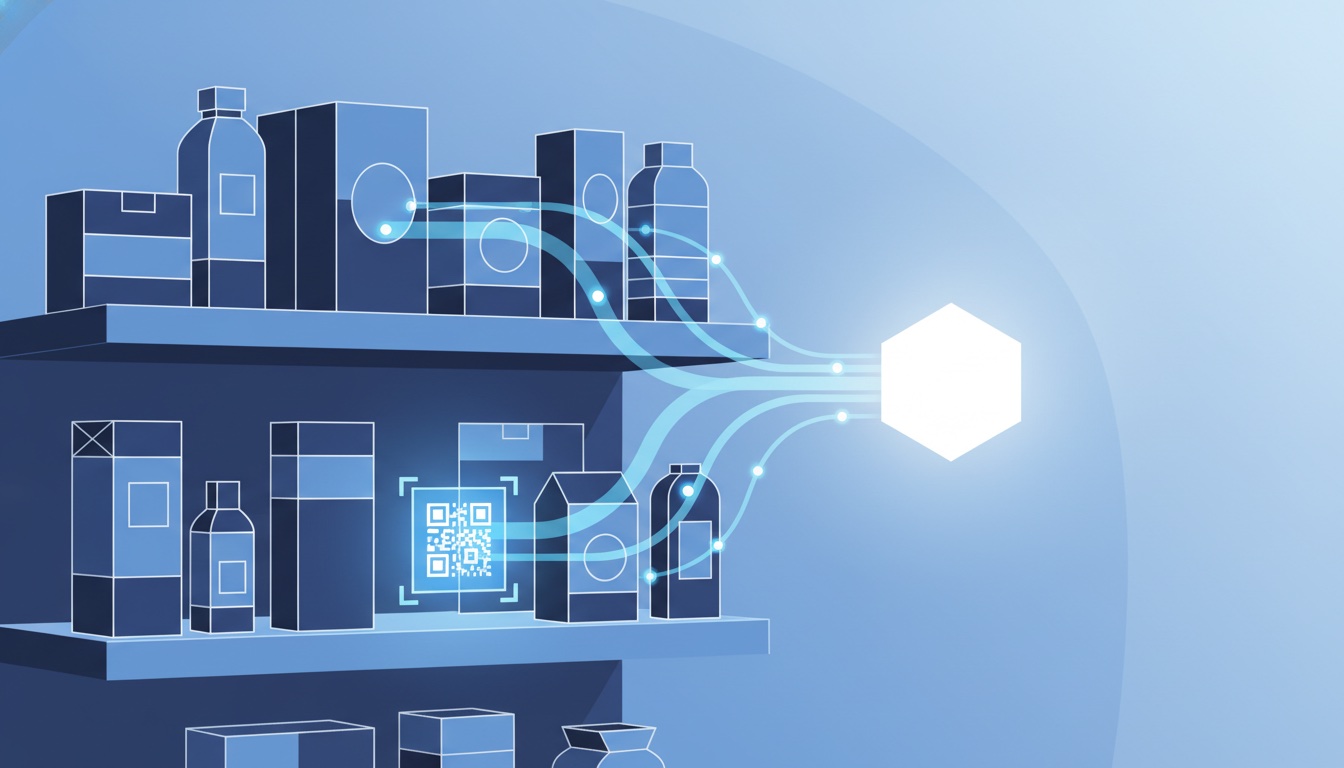
When a consumer buys a box of cereal at a grocery store, the retailer knows everything about that transaction — what was purchased, when, how much, what else was in the basket, what loyalty card was used. The cereal brand knows almost nothing. It shipped product to a distributor, the distributor shipped to a retailer, and the retailer sold it to a consumer the brand has never met.
Sweepstakes bridge that gap. When a consumer enters a promotion — scanning a QR code on the box, visiting a campaign landing page, or submitting a receipt — the brand finally captures a direct data point: a name, an email address, a phone number, and often demographic and preference information.
Driving Product Trial
New product launches live or die on trial. Getting a consumer to pick up an unfamiliar SKU from a crowded shelf is one of the hardest problems in CPG marketing. Sweepstakes create a reason to try: the chance to win something valuable in exchange for purchasing something new. The promotion removes the perceived risk of trying an unknown product.
Retailer Relationship Leverage
CPG brands don't just sell to consumers — they sell to retailers. And retailers allocate shelf space and display placement based on which brands drive foot traffic and basket size. A well-promoted sweepstakes campaign that drives consumers to specific retailers gives the brand leverage in trade negotiations. "We're running a national promotion that will drive traffic to your stores" is a powerful message in a buyer meeting.
Building Direct Consumer Relationships
Every sweepstakes entrant who opts in to marketing communications becomes a direct relationship the brand owns — independent of any retailer, media platform, or third-party data provider. Over time, these relationships compound: the brand can send new product announcements, personalized offers, and loyalty rewards directly, without paying for access through intermediaries.
The real ROI of CPG promotions is the data
Prize costs and campaign expenses are easy to measure. The harder-to-quantify but often more valuable outcome is the first-party data asset you build. A single well-executed promotion can capture tens of thousands of opted-in consumer profiles — data that fuels email marketing, lookalike audiences, product development research, and retailer negotiations for months or years after the promotion ends.
Instant Win Game Strategies for CPG
Instant win games are the highest-engagement promotion format available to CPG brands. Participants find out immediately whether they've won, which creates an emotional peak that standard sweepstakes drawings can't match. That immediacy drives repeat visits, social sharing, and — critically for CPG — repeat purchases.
How Instant Win Works for Packaged Goods
The basic mechanic: a consumer interacts with a game element (spinning a wheel, scratching a digital card, opening a virtual package) and discovers instantly whether they've won a prize. Behind the scenes, winning moments are pre-seeded across the promotion period, and the first eligible play at or after each winning moment claims the prize.
For CPG, instant win games work especially well because they can be layered on top of purchase behavior. A consumer buys a product, finds a code or scans a QR code, plays the game, and immediately knows the result. The tight loop between purchase and reward reinforcement is powerful.
Prize Tier Strategies
Effective CPG instant win campaigns use a tiered prize structure that balances aspiration with attainability:
- Grand prizes (1-3 winners): High-value experiences or items that generate buzz and media coverage. Think vacations, vehicles, or large cash awards. These drive awareness and initial campaign interest.
- Mid-tier prizes (50-200 winners): Desirable items that feel genuinely valuable — electronics, gift cards, branded merchandise collections. These keep the promotion feeling winnable and sustain engagement through the middle of the campaign.
- Instant-gratification prizes (thousands of winners): Low-cost rewards distributed at high frequency — discount codes, free product coupons, digital content, small gift cards. These create the "I won something" moments that drive social sharing and repeat participation.
| Prize Tier | Quantity | Value Range | Purpose | Timing |
|---|---|---|---|---|
| Grand Prize | 1-3 | $5,000-$50,000+ | Drive awareness and media coverage | End-of-campaign drawing |
| First Prize | 10-50 | $500-$2,000 | Create aspirational winners | Weekly or bi-weekly drawings |
| Second Prize | 50-200 | $50-$250 | Make winning feel attainable | Distributed across campaign |
| Instant Win | 1,000-10,000+ | $1-$25 | Reward participation, drive repeat play | Seeded throughout each day |
| Everyone Wins | Unlimited | Coupon or sample | Drive trial and repeat purchase | Every qualifying entry |
Configuring Odds and Prize Pools
The math behind instant win odds needs to balance engagement (enough winners to keep people playing) with budget (not giving away more prizes than planned). Key considerations:
- Winning frequency: Distribute winning moments so that prizes are awarded throughout the entire promotion period, not exhausted in the first week.
- Daily caps: Limit the number of prizes awarded per day to prevent early depletion and ensure late entrants still have a chance to win.
- Time-of-day distribution: Seed winning moments during peak engagement hours (evenings and weekends for consumer promotions) to maximize the emotional impact.
- Prize pool reserves: Hold back a percentage of prizes for the final days of the campaign to maintain end-of-promotion engagement.
For a deep dive into instant win mechanics, odds calculations, and compliance, see how to run an instant win game.
 Revup
Revup
Revup's instant win engine lets you configure prize tiers, odds, daily caps, and time-seeded winning moments — all with auto-generated official rules.
Purchase-Linked Promotions
Purchase-linked promotions tie sweepstakes entry to buying a product. They're the most directly attributable promotion format for CPG brands — every entry represents a verified or claimed purchase, which creates a clear line between promotional spend and sales lift.
Common Entry Mechanics
There are several ways consumers can prove a purchase and earn an entry:
- On-pack codes: A unique alphanumeric code printed inside the packaging. Consumer enters the code on a campaign website or app to receive an entry. High integrity — each code is unique and can only be used once.
- QR code on packaging: A scannable code printed on the outside of the package that directs to a campaign landing page. Lower friction than typing a code, but not as fraud-resistant since the same QR code is printed on every unit.
- Receipt upload: Consumer photographs their store receipt and uploads it. OCR technology reads the receipt to validate the qualifying purchase. Works across all retail channels without requiring changes to packaging.
- Retailer loyalty integration: Consumer links their retailer loyalty account. Qualifying purchases are detected automatically through POS data. Lowest friction but requires retailer partnership.
Every purchase promotion needs a free entry method
A sweepstakes that requires a purchase to enter is an illegal lottery — it combines prize, chance, and consideration (the purchase). Every purchase-linked promotion must include a free alternative method of entry (AMOE) that provides equal odds of winning. This is a legal requirement, not a suggestion. For full details, read the guide on no-purchase-necessary law.
Structuring the AMOE for CPG Promotions
The alternative method of entry must be genuinely accessible and clearly disclosed. Common approaches for CPG purchase promotions:
- Mail-in entry: Handwrite required information on a 3x5 card and mail to a specified P.O. Box. Universally accepted by regulators and simple to administer.
- Online form: A separate web form that collects the same information as the purchase entry but requires no proof of purchase. Must be equally prominent — not hidden behind the purchase entry flow.
- Text-to-enter: Send a keyword to a toll-free number. Standard messaging rates are generally not treated as consideration.
Critical: AMOE entrants must have the same odds of winning as purchasers. If each purchase earns one entry, each AMOE submission must also earn one entry. If purchasers can earn multiple entries, AMOE entrants must have the same opportunity. For a complete breakdown, see no-purchase-necessary law explained.
For a detailed guide to structuring purchase-based promotions, including receipt validation methods and AMOE design, see how to run a purchase sweepstakes.
On-Pack and In-Store Activation
CPG promotions live or die at the point of purchase. The most sophisticated campaign is worthless if consumers never notice it on the shelf. On-pack and in-store activation strategies bridge the gap between the physical product and the digital promotion.
QR Codes on Packaging
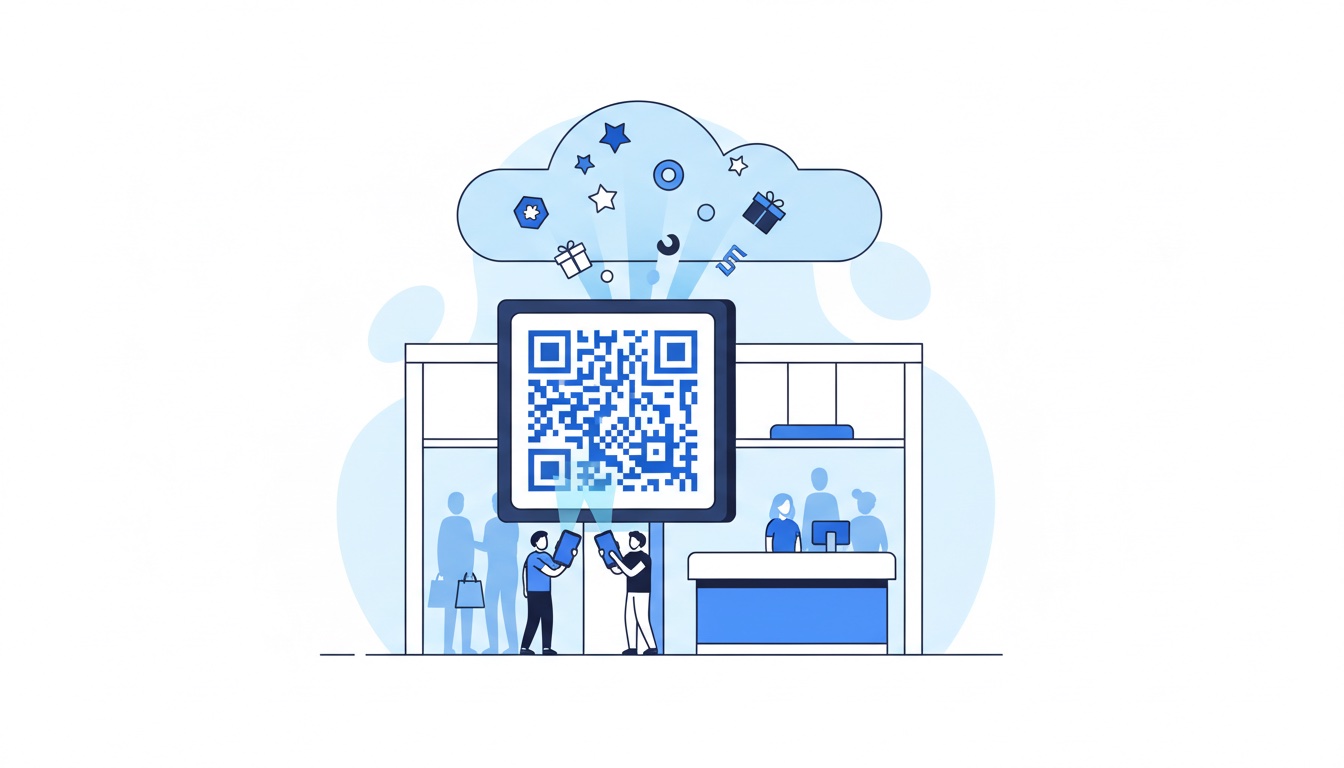
QR codes have become the dominant bridge between physical packaging and digital promotions. After years of consumer education (accelerated by restaurant menus during the pandemic), scanning a QR code is now a familiar and low-friction action for most consumers.
Best practices for on-pack QR code promotions:
- Placement: Front of pack, above the fold. QR codes on the back panel or bottom of the package see dramatically lower scan rates. The code needs to be visible before the consumer picks up the product.
- Size: Minimum 1 inch square for reliable scanning. Larger is better, especially on products that consumers view from a distance (bottles on a shelf, boxes in a freezer case).
- Call-to-action: "Scan to Win" or "Scan for a Chance to Win $X" outperforms a bare QR code by a wide margin. The consumer needs a reason to pull out their phone.
- Landing page speed: The page that loads after scanning must render in under 3 seconds on a mobile device. Consumers scanning in a store aisle have almost zero patience for slow pages.
- Mobile-first design: Every element of the entry flow — the landing page, the form, the instant win reveal — must work flawlessly on mobile. Desktop is an afterthought for in-store activations.
In-Store Display Activation
Beyond packaging, CPG brands can activate promotions through in-store displays and point-of-purchase materials:
- End cap displays: Freestanding displays at the end of aisles with prominent sweepstakes messaging and QR codes. These capture attention from consumers who aren't in the product's home aisle.
- Shelf talkers: Small signage attached to the shelf edge that highlights the promotion. Effective for catching the eye of consumers browsing the category.
- Floor graphics: Adhesive graphics on the store floor directing consumers to the promotion display. Useful for high-traffic areas near checkout.
- Checkout lane signage: Promotions visible at the register, where consumers have idle time and are already in a spending mindset.
Coordinate with retail partners early
In-store display placement requires retailer approval, which typically needs to be negotiated months in advance as part of trade marketing plans. Start conversations with retail partners early in the campaign planning process. Many retailers have specific policies about what promotional messaging is allowed on displays, shelf talkers, and floor graphics. Getting retailer buy-in early prevents last-minute creative changes.
Multi-Channel Entry Points
The strongest CPG promotions don't rely on a single activation point. They layer multiple entry paths so that consumers encounter the promotion at several touchpoints:
- QR code on the package itself
- Display signage at the retailer
- Digital ads served to shoppers near participating stores (geofenced)
- Social media posts with campaign hashtags
- Email to existing subscriber lists
- Retailer media network placements (sponsored search, banner ads on retailer websites)
Each entry point funnels to the same campaign landing page, but the UTM parameters differ so you can measure which channel drives the most entries and the lowest cost per acquisition.
Digital-First CPG Campaigns
Not all CPG promotions need to start at the shelf. Digital-first campaigns use online entry, social media, and email to drive awareness and data capture — with or without a purchase requirement.
Online Sweepstakes for CPG
A straightforward online sweepstakes — fill out a form for a chance to win — is the simplest promotion format for CPG brands. No purchase required means no AMOE complexity. The form captures first-party data directly. And the campaign can run independently of retail partners.
Effective online CPG sweepstakes typically include:
- A compelling grand prize tied to the brand's lifestyle positioning (a year's supply of product, a branded experience, a vacation)
- A short form — name, email, and one or two custom fields (favorite product, household size, shopping frequency)
- An opt-in checkbox for email and/or SMS marketing
- A post-entry page with a coupon or sample offer to drive immediate trial
Social Media Amplification
Social media extends the reach of CPG promotions beyond the brand's owned audience. Strategies that work:
- Share-to-enter: Participants post about the promotion using a branded hashtag. Each qualifying post earns an entry. This generates organic impressions and social proof.
- User-generated content: Ask consumers to share photos or videos featuring the product. The best submissions are featured on the brand's channels, creating aspirational content that drives further participation.
- Influencer partnerships: Partner with creators who reach your target demographic. They promote the sweepstakes to their audience, driving entries from consumers who may not follow the brand directly.
- Paid social promotion: Run targeted ads promoting the sweepstakes to lookalike audiences built from existing customer data. The sweepstakes offer drives higher click-through rates than standard product ads.
Email-Driven Campaigns
For CPG brands that have already built an email list (even a small one), email is a powerful activation channel for sweepstakes:
- Announcement email: Launch the sweepstakes to existing subscribers. These consumers already have a relationship with the brand and convert at higher rates.
- Referral mechanics: Give entrants a unique link to share. Each friend who enters through the link earns the referrer bonus entries. This turns email subscribers into an acquisition channel.
- Reminder sequences: Send mid-campaign and final-day reminders to subscribers who haven't entered yet. Urgency messaging ("48 hours left to enter") drives late-campaign spikes.
Revup
Revup connects to your email and SMS platforms so every sweepstakes entry flows directly into your marketing automation workflows.
Building a First-Party Data Strategy with Promotions
Sweepstakes are a data collection mechanism. The promotion is the incentive; the data is the asset. CPG brands that treat promotions as data strategy — not just marketing tactics — extract significantly more long-term value from every campaign.
What Data to Capture
Every additional form field reduces completion rates, so be deliberate about what you ask for. Prioritize data that you will actually use:
- Always capture: Email address (the minimum viable first-party data point), name, and marketing opt-in consent.
- High value if relevant: Phone number (for SMS marketing), ZIP code (for regional analysis and geotargeting), age range or birthdate (for age-gated categories).
- Campaign-specific: Favorite product or flavor (for personalization), household size (for consumption modeling), purchase frequency (for segmentation), retailer preference (for trade marketing insights).
- Save for follow-up: Detailed survey questions, product feedback, and preference data can be collected in a post-entry survey or a follow-up email rather than in the entry form itself.
Respect opt-in consent
Entering a sweepstakes is not consent to receive marketing communications. You must include a separate, unchecked opt-in checkbox for email and SMS marketing. Pre-checked boxes may violate CAN-SPAM, TCPA, and state privacy laws. Collect the consent explicitly, and honor it. The data is only valuable if it was collected lawfully.
How to Activate First-Party Data
Collected data creates value only when it's activated. Here's how CPG brands put sweepstakes data to work:
- Email welcome sequences: New opt-ins enter a nurture sequence that introduces the brand's product line, shares recipes or usage tips, and delivers a coupon for their next purchase.
- SMS campaigns: Phone numbers enable real-time promotional messaging. Text a coupon when new products launch or when the consumer's preferred product goes on sale at a nearby retailer.
- Lookalike audiences: Upload opted-in email lists to Meta, Google, or TikTok to build lookalike audiences for paid acquisition. Sweepstakes entrants make excellent seed audiences because they've demonstrated interest in the brand.
- Retailer co-marketing: Aggregate data (anonymized) on purchase preferences and retailer preferences strengthens trade marketing conversations. "We know X% of our consumers shop at your stores" is a data-backed negotiation point.
- Product development research: Survey entrants about product preferences, unmet needs, and purchase occasions. Sweepstakes participants are already engaged and respond to surveys at higher rates than cold outreach.
- Retargeting: With consent, retarget sweepstakes participants with product ads, new promotions, and loyalty offers through email, SMS, and paid channels.
Building a Consumer Database Over Time
One promotion captures a batch of consumer profiles. A sustained promotional calendar — running two to four campaigns per year — builds a growing database that becomes increasingly valuable:
- Each campaign adds new consumers and reactivates lapsed ones.
- Repeat entrants provide longitudinal data on preferences and behavior.
- The database becomes a durable owned asset — unlike paid media impressions that disappear when the budget stops.
Promotion Types for CPG Goals
Different business objectives call for different promotion formats. This table maps common CPG goals to the promotion types that best serve them:
| CPG Goal | Best Promotion Type | Why It Works | Data Captured |
|---|---|---|---|
| New product trial | Instant win with everyone-wins coupon | Every entrant gets a coupon driving first purchase | Email, product interest, retailer preference |
| Brand awareness | Social sweepstakes with UGC | User-generated content creates organic reach | Social handles, email, content preferences |
| First-party data capture | Online sweepstakes with survey | Low friction entry + opt-in at scale | Email, demographics, preferences, consent |
| Repeat purchase lift | Collect-and-win with on-pack codes | Multiple purchases needed to complete collection | Purchase frequency, product mix, email |
| Seasonal sales spike | Limited-time instant win | Urgency + instant gratification drives fast action | Email, purchase data, engagement timing |
| Retailer trade support | Purchase sweepstakes at specific retailers | Drives measurable foot traffic to partner stores | Purchase data, retailer preference, email |
| Consumer insights | Quiz or survey sweepstakes | Incentivized survey completion captures deep data | Preferences, habits, demographics, feedback |
| Loyalty deepening | Points-based sweepstakes | Existing customers earn entries through engagement | Behavioral data, engagement depth, purchase history |
Revup
Revup supports sweepstakes, instant win games, quizzes, surveys, and forms — all with built-in data capture and email/SMS integration.
How to Structure a CPG Sweepstakes
Running a CPG promotion involves more moving parts than a standard sweepstakes. Here's the process from objective-setting through post-campaign analysis:
CPG Sweepstakes Campaign Process
Define the business objective
What is this promotion trying to achieve? New product trial, first-party data capture, seasonal sales lift, retailer relationship building? The objective determines every downstream decision — promotion type, prize structure, entry mechanics, and success metrics.
Choose the promotion format
Match the format to the objective. Instant win for engagement and trial, purchase sweepstakes for sales lift, online sweepstakes for data capture. Consider hybrid formats (instant win + grand prize drawing) for campaigns with multiple objectives.
Design the prize structure
Set grand prize, tier prizes, and instant win prizes. Calculate total prize pool and ensure it supports the expected entry volume. The prize structure should incentivize the behavior you want — repeat purchase, social sharing, data submission.
Build the entry flow
Design the consumer journey from first touchpoint to confirmed entry. Optimize for mobile. Minimize form fields. If purchase-linked, design both the purchase entry path and the AMOE path.
Create official rules and compliance documentation
Draft comprehensive official rules covering eligibility, entry methods, prizes, odds, drawing procedures, and winner notification. Register in states that require it (New York and Florida for $5,000+ prizes, plus Rhode Island for qualifying retail/in-store promotions over $500). Review for AMOE compliance if purchase-linked.
Coordinate retail and packaging activation
Work with retail partners on display placement and in-store signage. If using on-pack codes or QR codes, coordinate with packaging teams well in advance of the production timeline.
Launch and monitor
Go live across all channels simultaneously. Monitor entry volume, prize distribution, fraud signals, and technical performance daily. Adjust paid media spend based on entry velocity.
Draw winners and fulfill prizes
Conduct random drawings per the official rules. Verify winner eligibility. Send winner notifications. Fulfill prizes within the timeline specified in the rules. Publish winner lists if required by state law.
Analyze and activate data
Measure campaign performance against the original objective. Calculate cost per entry, cost per opt-in, and sales lift. Push opted-in contacts to email/SMS platforms. Build lookalike audiences. Document learnings for the next campaign.
Compliance for CPG Promotions
CPG promotions have all the compliance requirements of standard sweepstakes, plus additional complexity from purchase-linked entry, multi-state distribution, and alcohol or age-restricted product categories. Getting compliance right is not optional — violations create legal liability and can result in state enforcement actions.
Multi-State Requirements
CPG brands typically distribute nationally, which means promotions are offered in all 50 states (or a subset, if you choose to exclude certain states). Key state-specific requirements:
- New York: Requires registration and bonding for sweepstakes with prizes valued over $5,000. Must file 30 days before promotion launch.
- Florida: Requires registration and a trust account for prizes valued over $5,000. Must file with the Department of Agriculture.
- Rhode Island: Requires registration for prizes valued over $500, but only for retail/in-store promotions (online-only sweepstakes are exempt). Lower threshold than most states.
- Void states: Some promotions exclude certain states to avoid registration requirements. Your rules must clearly state which states are excluded and why. For a full breakdown, see what "void where prohibited" actually means.
For a comprehensive overview of state requirements, see how to run a sweepstakes legally.
Purchase vs. No-Purchase Balance
The fundamental legal tension in purchase-linked CPG promotions is maintaining the sweepstakes classification (legal) and avoiding the lottery classification (illegal). The three elements of a lottery are prize, chance, and consideration. Sweepstakes have prize and chance but remove consideration through the AMOE.
Practical compliance guidelines:
- AMOE must be equally prominent: If your package says "Buy to Enter," it must also say "No Purchase Necessary" with equal visual weight.
- AMOE must be equally accessible: A mail-in AMOE is acceptable, but if the purchase entry is instant (scan and enter), a mail-in entry that takes days to arrive and process is arguably not equally accessible. Consider offering an online AMOE for digital-first promotions.
- Entry limits must match: If purchasers can enter once per day, AMOE entrants must also be able to enter once per day.
- No purchase-dependent bonuses: Giving purchasers "bonus entries" that AMOE entrants can't earn violates the equal-odds requirement.
For a deep dive into AMOE requirements, see sweepstakes entry methods explained.
Age-restricted CPG categories
If your CPG brand sells alcohol, tobacco, cannabis, or other age-restricted products, additional compliance layers apply. Age verification must occur before entry — not after winning. Many states have specific rules about promotional advertising for restricted products. Consult a promotion compliance attorney if your brand operates in an age-restricted category.
Official Rules Requirements
Your official rules are a legal document. For CPG promotions, they must cover:
- Sponsor identity and address
- Eligibility requirements (age, residency, excluded states)
- Promotion period (start and end dates with time zones)
- Complete entry instructions for both purchase and AMOE methods
- Qualifying products and retailers (for purchase promotions)
- Entry limits and restrictions
- Prize descriptions, values, and quantities
- Odds of winning (or how odds are determined)
- Winner selection and notification procedures
- Prize fulfillment timeline
- Data collection and privacy disclosures
- Dispute resolution and governing law
For a complete template and walkthrough, see how to write sweepstakes official rules.
CPG Sweepstakes Launch Checklist
Use this checklist to ensure nothing falls through the cracks before launching your CPG promotion:
CPG Sweepstakes Launch Checklist
- Business objective defined and documented with measurable success criteria
- Promotion type selected (sweepstakes, instant win, purchase promotion, or hybrid)
- Prize structure finalized — grand prize, tier prizes, instant win prizes, total pool value
- Entry flow designed and tested on mobile devices
- Official rules drafted and reviewed by legal counsel
- State registration filed where required (NY, FL, RI if above thresholds)
- AMOE designed and prominently disclosed (if purchase-linked)
- No Purchase Necessary statement included on all promotional materials
- QR codes or on-pack codes tested and validated
- Landing page live, mobile-optimized, and loading under 3 seconds
- Form fields finalized — only collecting data you will actually use
- Marketing opt-in checkbox included (unchecked by default)
- Email/SMS platform integration tested — entries flowing to correct lists
- Instant win prize seeding configured with daily caps and time distribution
- Fraud detection measures in place (duplicate entry checks, bot prevention)
- Retail partner approvals secured for in-store displays and signage
- Packaging with promotional messaging in production and distribution pipeline
- Paid media campaign ready to launch simultaneously with promotion
- Social media content calendar prepared for promotion period
- Winner notification templates drafted and tested
- Prize fulfillment process documented and vendor relationships confirmed
- Post-campaign analysis plan ready — metrics, reporting cadence, stakeholder list
Measuring CPG Promotion Performance
CPG sweepstakes must be measured against the business objective that justified the campaign. Different objectives require different metrics. Here's the measurement framework:
Core Metrics for Every CPG Promotion
- Total entries: Raw participation volume. Indicates campaign reach and the effectiveness of your activation strategy.
- Unique entrants: Deduplicated participant count. More meaningful than total entries for assessing audience reach.
- Entry rate: Entries divided by impressions (or by product units sold, for purchase promotions). Measures the conversion efficiency of your activation.
- Cost per entry: Total campaign cost (prizes + media + platform + operations) divided by total entries. Benchmark against other acquisition channels.
- Opt-in rate: Percentage of entrants who consent to email and/or SMS marketing. This is the most important metric for data-driven campaigns.
- Cost per opted-in contact: Total cost divided by opted-in contacts. This is your effective customer acquisition cost for first-party data.
Purchase-Specific Metrics
- Sales lift: Unit sales during the promotion period compared to a baseline period (same period prior year, or the weeks before/after the promotion). The primary ROI metric for purchase-linked campaigns.
- AMOE ratio: Percentage of entries from purchases vs. AMOE. A healthy ratio depends on your activation strategy — heavily promoted on-pack campaigns should see 70-85% purchase entries.
- Repeat entry rate: Percentage of entrants who submit multiple entries (indicating multiple purchases). A key indicator of the promotion's ability to drive repeat buying behavior.
- Retailer-level performance: If your promotion spans multiple retailers, compare entry volume by retailer to identify which partners drive the most engagement.
Long-Term Value Metrics
- Email engagement rate: Open and click rates for marketing emails sent to sweepstakes opt-ins. Benchmark against your overall list to assess the quality of promotion-sourced contacts.
- Conversion to repeat purchaser: Do sweepstakes entrants become regular buyers? Track post-promotion purchase behavior through retailer data or follow-up surveys.
- Database growth: Net new opted-in contacts added to your first-party database. Track cumulatively across campaigns to measure the growing asset.
- Lookalike audience performance: How do paid media campaigns using sweepstakes-sourced lookalike audiences perform compared to other seed audiences?
For a full measurement framework with formulas and benchmarks, see how to measure sweepstakes ROI.
Regional and Seasonal Strategies
CPG brands don't always promote nationally. Regional rollouts, seasonal products, and retailer-specific promotions all benefit from geographically or temporally targeted sweepstakes.
Regional Promotions
When launching a new product in a specific market or running a retailer-specific promotion, geofenced campaigns ensure promotional spend is concentrated where it matters:
- Geofenced entry: Restrict sweepstakes entry to consumers in specific states, DMAs, or ZIP codes. This prevents waste from out-of-market entries.
- Location-triggered notifications: Serve promotional messaging when a consumer's device is near a participating retail location. This connects the digital promotion to the physical shopping trip.
- Regional prize relevance: Tailor prizes to regional preferences. A sweepstakes in Texas might feature rodeo tickets; a campaign in the Pacific Northwest might offer outdoor gear.
Seasonal Campaign Timing
CPG categories have predictable seasonal patterns. Aligning promotions with these patterns maximizes impact:
- Snack brands: Super Bowl season (January-February), back-to-school (August-September), holiday entertaining (November-December)
- Beverage brands: Summer (Memorial Day through Labor Day), tailgating season (September-November)
- Household products: Spring cleaning (March-April), back-to-school, New Year (resolution-driven purchasing)
- Personal care: New Year (resolution-driven), back-to-school, holiday gifting season
Running a sweepstakes during a period when consumers are already predisposed to purchase your category amplifies the natural demand signal with promotional excitement.
Frequently Asked Questions
Do CPG sweepstakes require a purchase to enter?
No. Many CPG sweepstakes are open to everyone — no purchase necessary. These campaigns focus on data capture and brand awareness rather than direct sales lift. When a purchase is linked to entry, a free alternative method of entry (AMOE) must be provided to avoid creating an illegal lottery. The choice between purchase-linked and open sweepstakes depends on your primary objective.
How do CPG brands get consumer data through promotions?
Through the entry form. When a consumer enters a sweepstakes, they provide contact information (at minimum, an email address) and can be asked for additional data like product preferences, household size, or shopping habits. With a separate opt-in checkbox, the brand gains consent to market to that consumer directly. This is the primary mechanism for building first-party data in CPG.
What promotion type drives the most entries for CPG?
Instant win games consistently generate the highest participation rates because the immediate reveal of results creates a compelling interaction. Standard sweepstakes with attractive grand prizes also drive strong entry volume. Purchase-linked promotions typically generate fewer total entries but higher-quality data, since every entry represents a consumer who bought the product.
How long should a CPG sweepstakes run?
Most CPG promotions run four to eight weeks. Shorter campaigns (two to three weeks) create urgency but may not reach enough consumers. Longer campaigns (three-plus months) risk participation fatigue — entries decline over time as the novelty wears off. For purchase-linked promotions with on-pack codes, the campaign timeline must account for the production and distribution of promotional packaging.
Can a CPG brand run sweepstakes across multiple retailers?
Yes. Multi-retailer promotions are common for CPG brands. The key is ensuring your official rules clearly define qualifying retailers and that your entry mechanics work across all of them. Receipt upload is the most versatile entry method for multi-retailer purchase promotions because it doesn't require any integration with individual retailer systems.
What does it cost to run a CPG sweepstakes?
Total cost depends on the promotion format, prize pool, media spend, and operational complexity. The prize pool is often the largest line item, but it's also the most variable — you set it based on your objectives and budget. Platform costs, creative production, legal review, and paid media to drive awareness are the other major cost categories. The cost should be evaluated against the value of the first-party data captured and the sales lift generated, not just the entry volume.
How do I prevent fraud in CPG purchase promotions?
Multiple layers work together: unique on-pack codes that can only be redeemed once, duplicate entry detection based on email or device, rate limiting to prevent automated entries, and manual review of winning entries before prize fulfillment. For receipt-based promotions, OCR systems can flag duplicate receipt submissions and images that appear to be manipulated. Your official rules should include a fraud clause reserving the right to disqualify fraudulent entries.
Do I need to register my CPG sweepstakes with any states?
If your total prize value exceeds certain thresholds, yes. New York and Florida require registration and bonding for sweepstakes with prizes over $5,000. Rhode Island has a lower threshold of $500 for retail/in-store promotions (online-only sweepstakes are exempt). Filing deadlines vary — New York requires 30 days before launch. Many CPG brands either register proactively or exclude these states from eligibility. See sweepstakes registration and bonding requirements for full details.
Can I use sweepstakes data for product development?
Yes, within the bounds of your privacy policy and the consent you collected. If your entry form or post-entry survey asked about product preferences, flavor interests, or unmet needs, that data can inform product development decisions. Just ensure your privacy policy discloses that data may be used for research and development purposes, and that participants consented to those uses at the time of entry.
What prizes work best for CPG sweepstakes?
The most effective CPG sweepstakes prizes combine a headline-grabbing grand prize (cash, vacation, vehicle) with a high volume of smaller prizes that make winning feel attainable. Brand-relevant experiences — a year's supply of product, a VIP factory tour, a celebrity chef dinner — generate more brand lift than generic cash prizes. For instant win tiers, digital rewards (gift cards, discount codes, free product coupons) are easy to fulfill and drive immediate engagement.
For more ideas on structuring your prize pool, see sweepstakes prize ideas. For related industry strategies, explore sweepstakes strategies by industry.